Tornado-Alley HVAC: Protecting Your System From Storms
Southwest Missouri storms are hard on HVAC equipment — here are practical steps to protect your system from hail, wind, and lightning before they hit.
By Hooten Heating & Cooling · April 1, 2025 · 8 min read
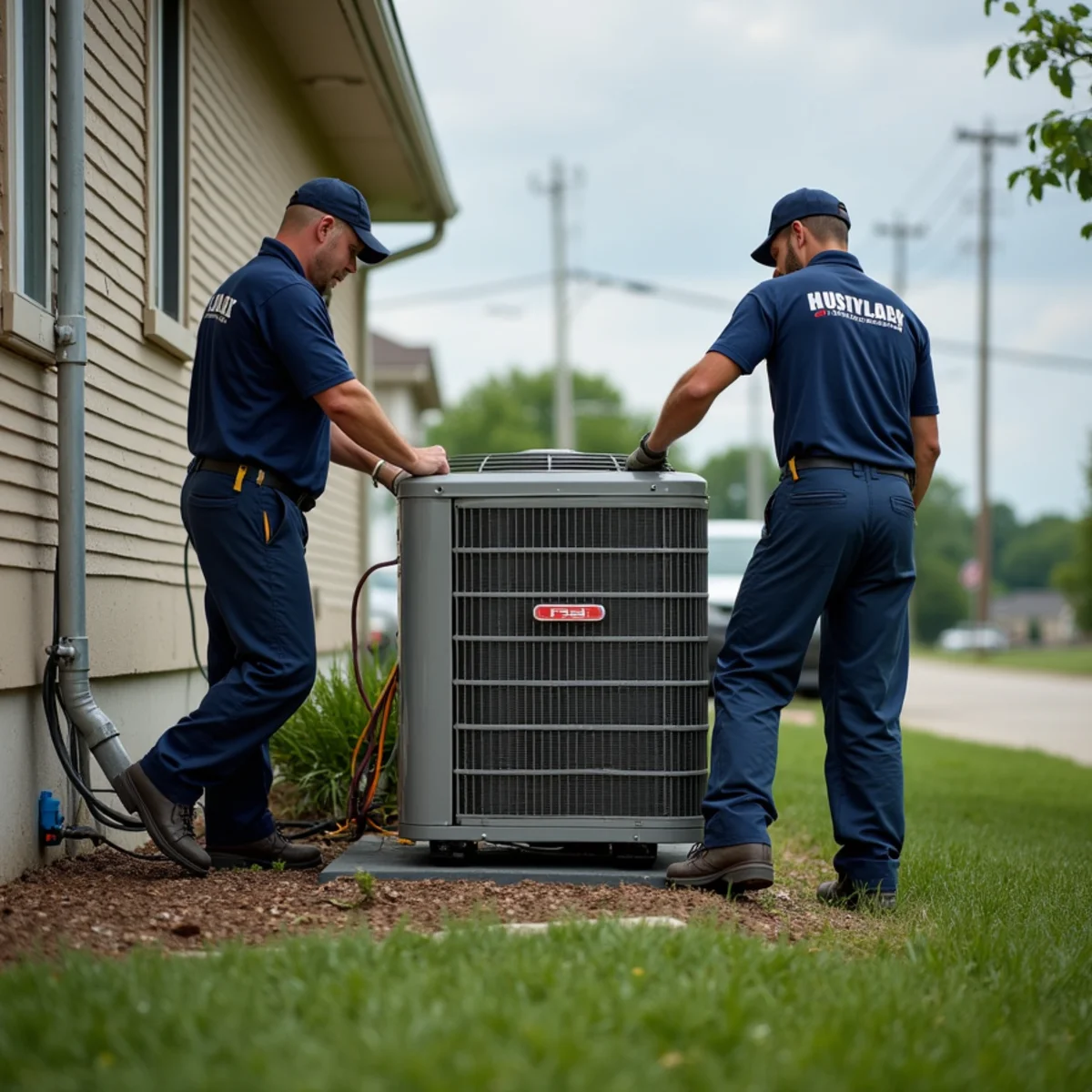
Southwest Missouri sees its share of severe weather, and every storm season brings hail, straight-line winds, and lightning that punish outdoor HVAC equipment. While you can't stop a tornado, you can take practical steps that make your system more likely to survive a storm — and that make recovery and insurance claims easier if it doesn't. Here's how to protect your HVAC before the next round of severe weather rolls through Joplin and Carthage.
Understand the Threats
Different parts of a storm damage HVAC equipment in different ways, and knowing the threats guides the protection.
- Hail: dents and flattens the thin coil fins on the outdoor unit, restricting airflow and cutting cooling capacity.
- Wind and debris: flying branches and yard objects dent housings, jam or bend fans, and can knock a unit off its pad.
- Lightning and surges: a nearby strike or a surge as power returns can destroy control boards, capacitors, and compressors.
- Flooding: rising water floods outdoor units and basements, damaging electrical and sealed components.
Protecting the Outdoor Unit
Secure and Position It Well
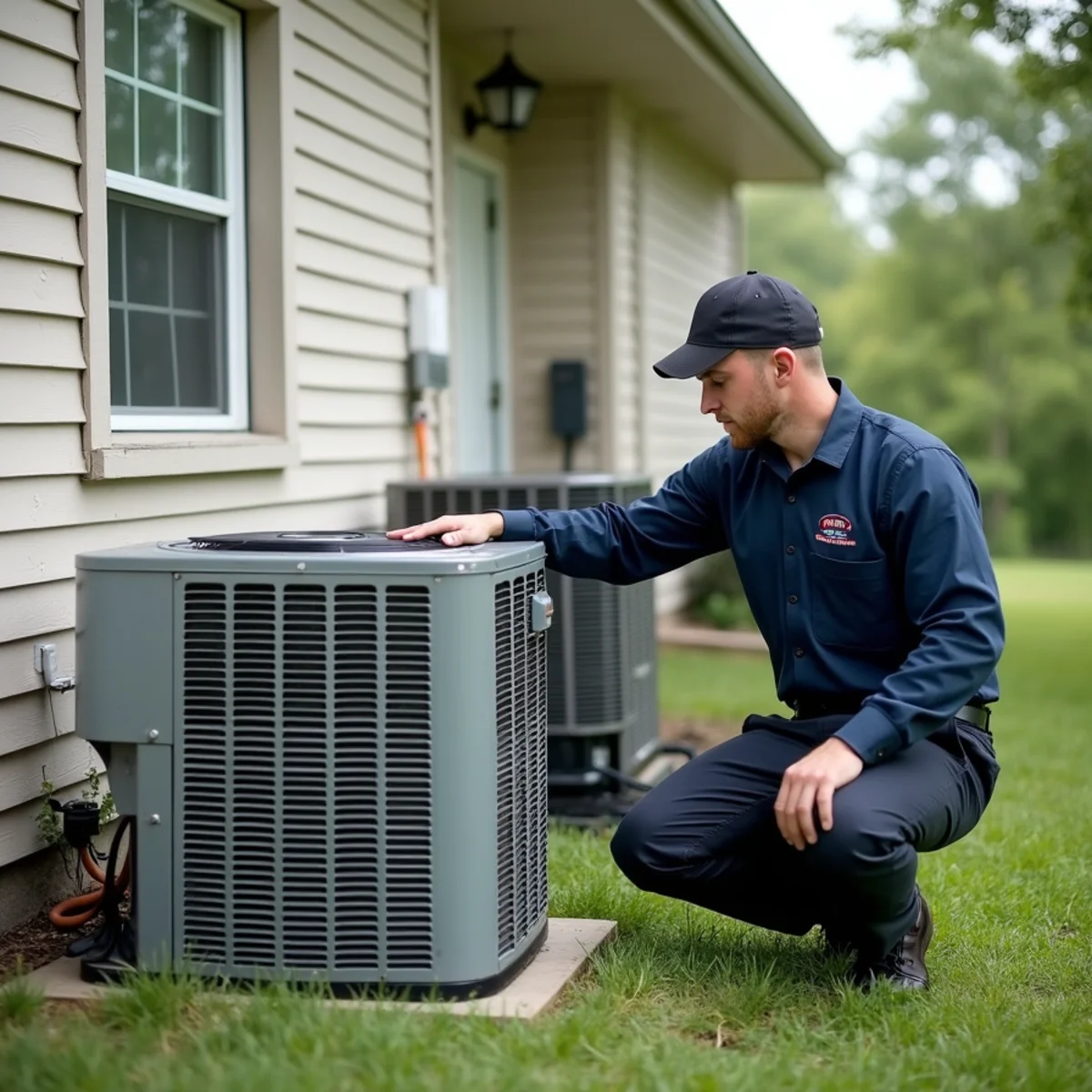
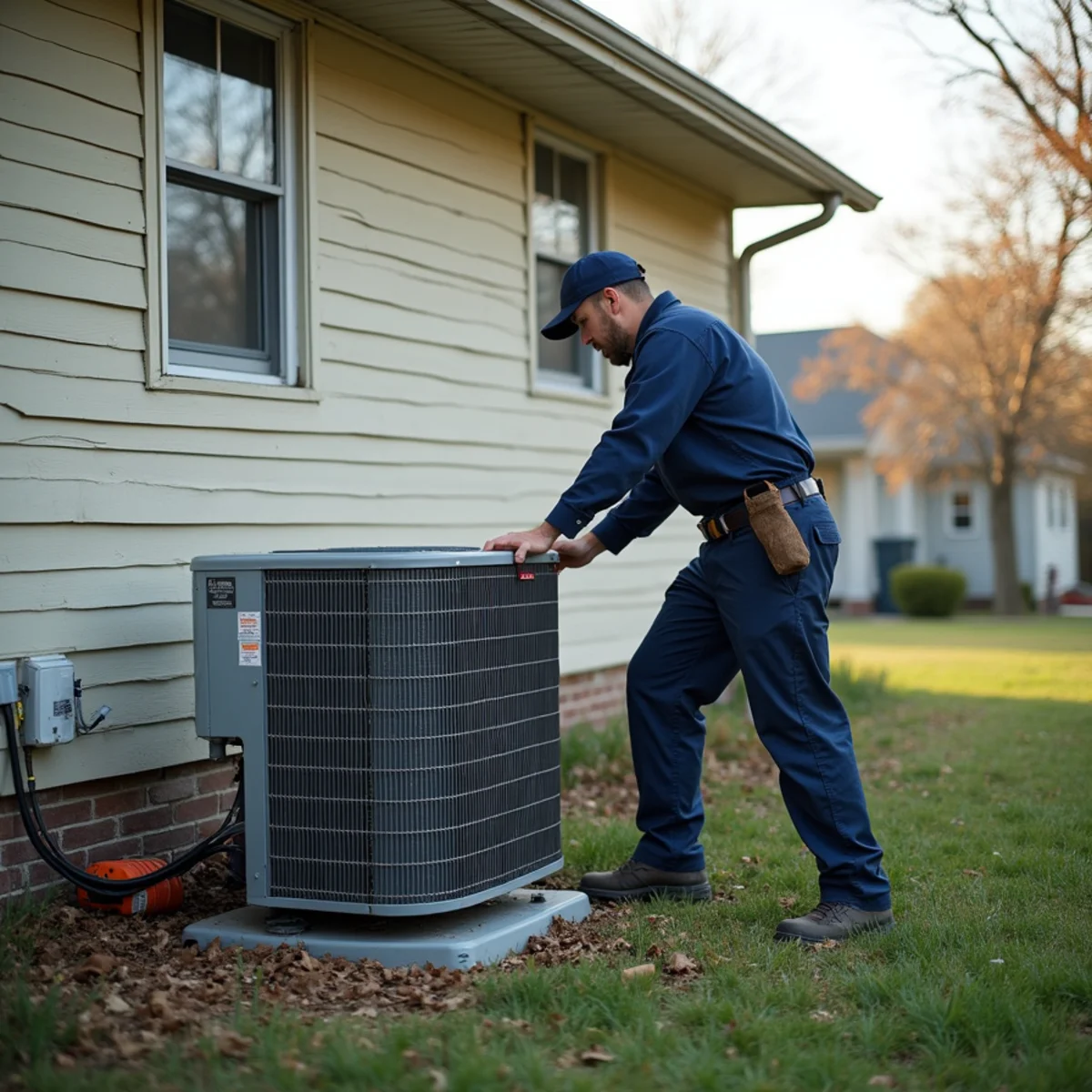
A properly installed unit sits level and firmly anchored on a solid pad. If yours has shifted or the pad has settled, having it re-leveled and secured helps it resist wind. When possible, positioning a unit where a fence line, shrub row, or the house itself provides some windbreak — without blocking airflow — reduces its exposure to wind-driven hail and debris. Keep the area around it clear of loose objects that could become projectiles.
Hail Guards and Covers
Manufactured hail guards fit over the sides of a condenser to shield the coil from direct hail impact while still allowing airflow. These are a reasonable option in a hail-prone area. What you should not do is wrap the unit in a solid cover while it's running — that suffocates airflow. Solid covers are only for off-season storage when the unit is off, and even then a breathable option is better to prevent trapped moisture.
Guarding Against Lightning and Surges
Electrical surges are one of the most common and least visible forms of storm damage. A whole-home surge protector installed at your electrical panel helps shield your HVAC — along with the rest of your electronics — from surges that ride in on the power lines during a storm or as service is restored. A dedicated surge protector at the HVAC disconnect adds another layer. When severe weather with lightning is forecast and you'll be away, some homeowners choose to shut the system off at the disconnect until it passes.
Before the Storm: A Quick Checklist
When a severe weather watch is issued, a few minutes of prep pays off.
- Clear the yard of loose furniture, tools, and debris near the unit that wind could throw into it.
- Confirm the unit is anchored and the surrounding area is clear.
- If lightning is likely and you're leaving, consider switching the system off at the disconnect.
- Make sure your surge protection is in place before the season, not after a strike.
- Photograph your equipment now, in good condition, so you have a before comparison for any future claim.
After the Storm
Once it's safe, inspect the unit before running it. Don't power up a unit that was flooded or that took a nearby lightning strike until it's been checked — running a compromised unit can turn a repairable problem into a total loss. Document any damage with photos before cleanup for your insurance claim.
You can't storm-proof a system completely in tornado alley, but a level, anchored unit with surge protection and good documentation is far easier to recover than one left to chance.
Keep an Equipment Record on File
One of the most useful storm-preparedness steps has nothing to do with the equipment itself: keep a record of it somewhere you can reach after a disaster. Photograph the outdoor and indoor units in good condition, save the make, model, and serial numbers, and note the installation date and any recent service. Store all of it in your phone or the cloud, not just on paper in a drawer that could be destroyed along with the house. If a tornado or hailstorm damages your system, that before record is powerful evidence for an adjuster — it establishes the equipment's age, condition, and value, and it counters any claim that the failure was pre-existing wear rather than storm damage. It takes ten minutes on a calm day and can make the difference between a smooth claim and a drawn-out dispute when you least want the hassle.
Get Storm-Ready Before the Next One
A little preparation goes a long way when severe weather is a regular part of life here. Hooten Heating & Cooling can secure your unit, recommend surge and hail protection, and handle storm repair and documentation across Joplin, Carthage, and the surrounding region. Call (831) 461-3437 to get your system ready before the next storm season.
Related Services
Areas We Serve
Frequently Asked Questions
- Not with a solid cover while it's running — that blocks the airflow the unit needs to shed heat and can cause overheating. Purpose-built hail guards that allow air through are the right choice for storm protection. Solid covers are only for off-season storage when the unit is off.