HVAC After a Tornado or Storm: A Recovery Guide
After a tornado or severe storm rolls through the Joplin area, this guide covers how to safely assess your HVAC system and what your insurer will want.
By Hooten Heating & Cooling · May 6, 2025 · 8 min read
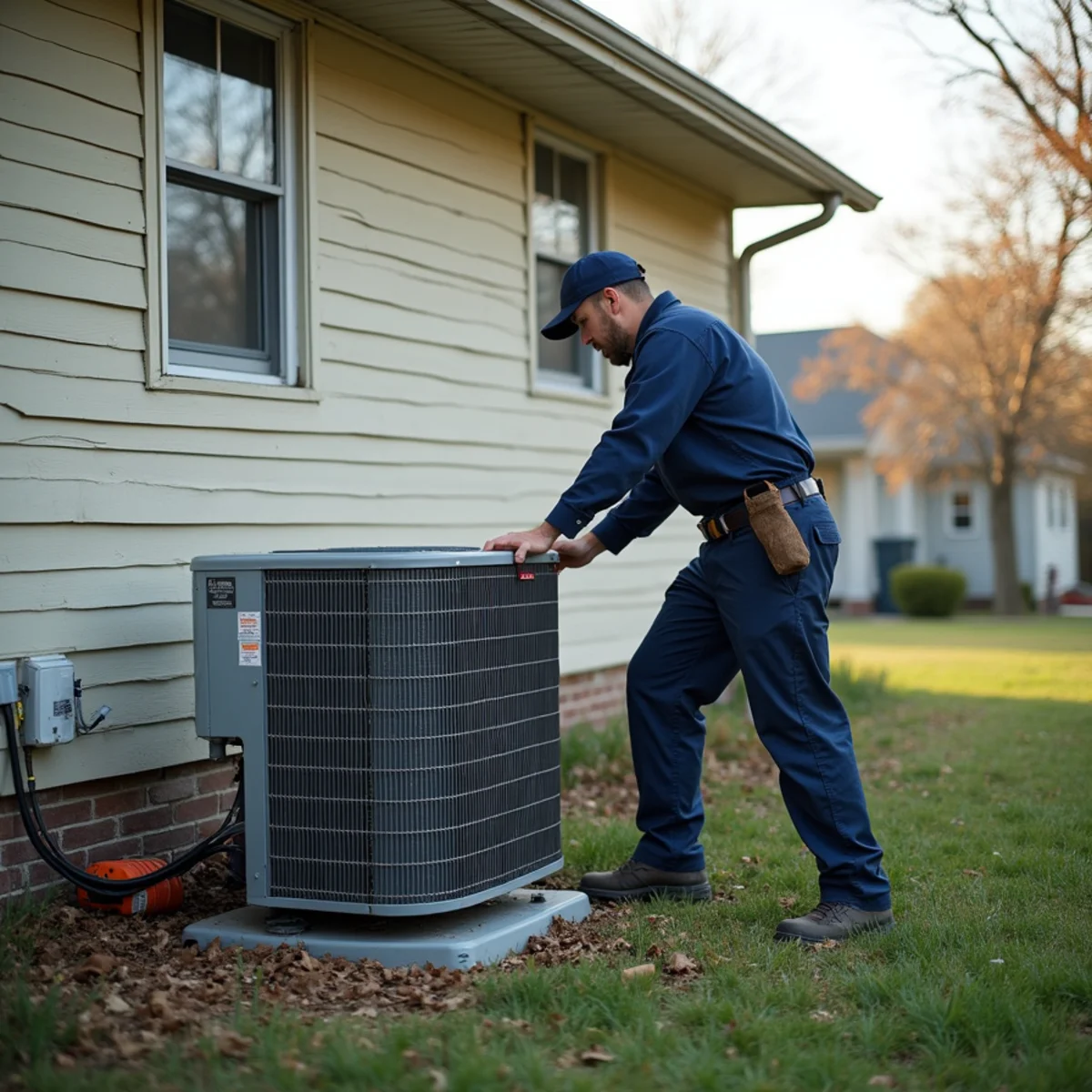
Southwest Missouri sits squarely in tornado alley, and the same storms that tear off shingles and flatten fences take a hard toll on HVAC equipment. Hail dents condenser coils, lightning surges fry control boards, floodwater fills outdoor units, and wind-driven debris jams fans and snaps line-sets. After a storm passes and it's safe to be outside, a careful assessment protects both your safety and your insurance claim.
This guide walks through what to check, what to leave alone, and how to document damage so an adjuster has what they need.
Safety First — Before You Touch Anything
Downed power lines, gas leaks, and standing water make storm cleanup genuinely hazardous. Don't approach your outdoor unit if there are downed lines nearby or if the unit is sitting in water that could be energized. If you smell gas or propane, leave the area and call your utility or supplier from a safe distance. Only inspect equipment once you're confident the surroundings are safe.
What to Look For
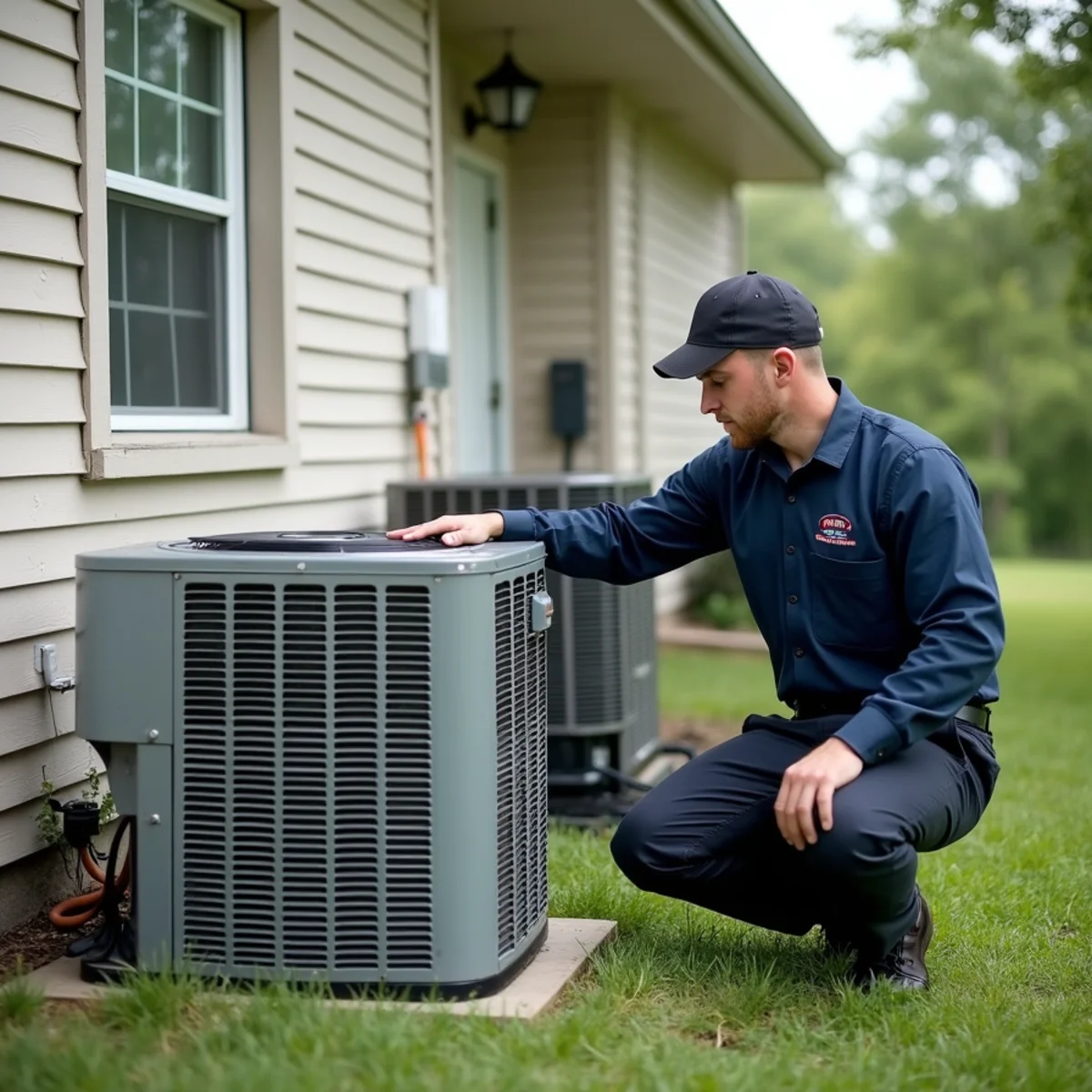
Once it's safe, walk around your system and note anything out of place. You're documenting, not repairing.
- Hail damage: dented or flattened coil fins on the outdoor unit, which restrict airflow and reduce cooling capacity.
- Impact damage: debris lodged in the fan, a bent fan blade, dented housing, or a unit shifted off its pad.
- Line-set damage: crimped, disconnected, or torn copper refrigerant lines and insulation.
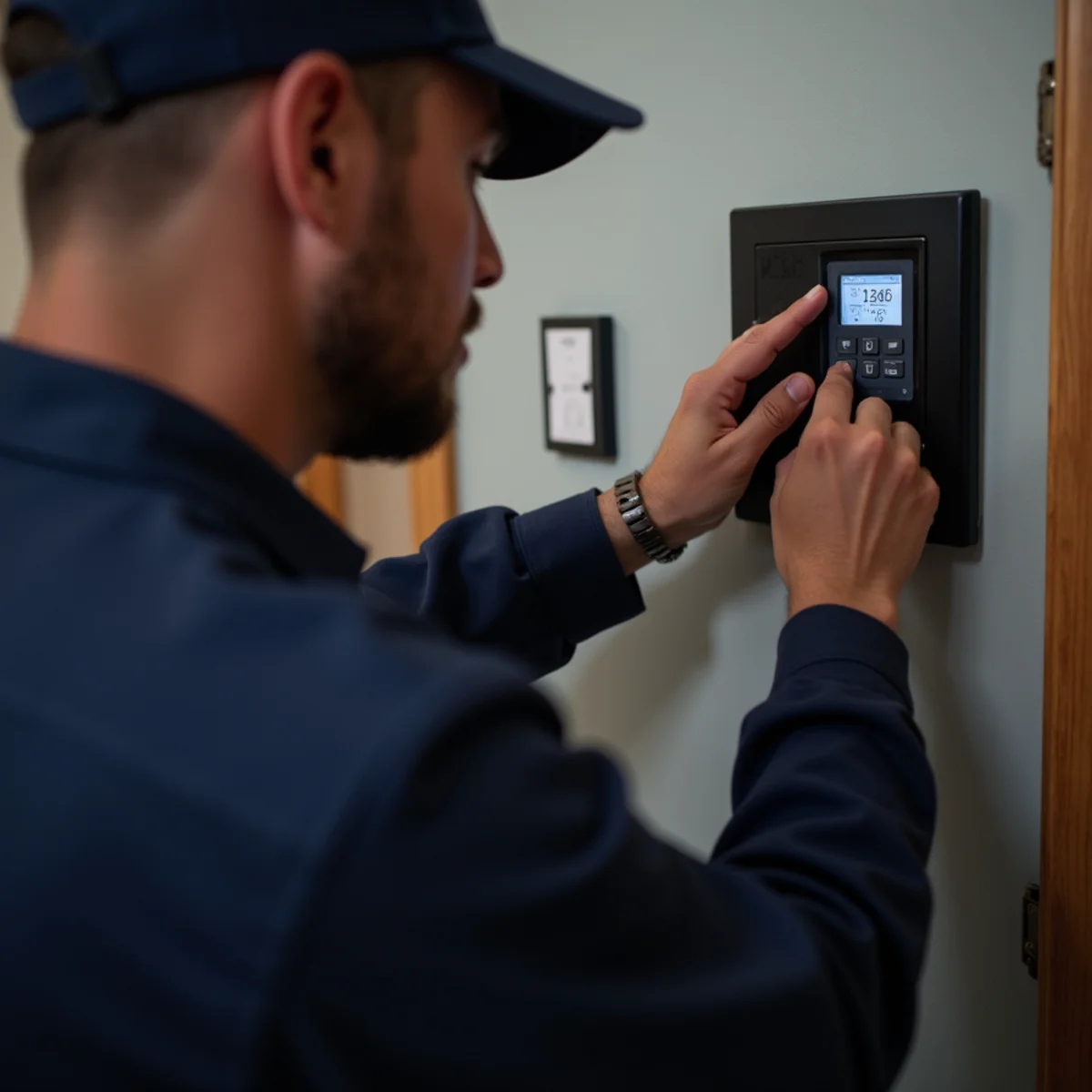
- Electrical signs: scorch marks, a burning smell, or a system that won't power on after a nearby lightning strike.
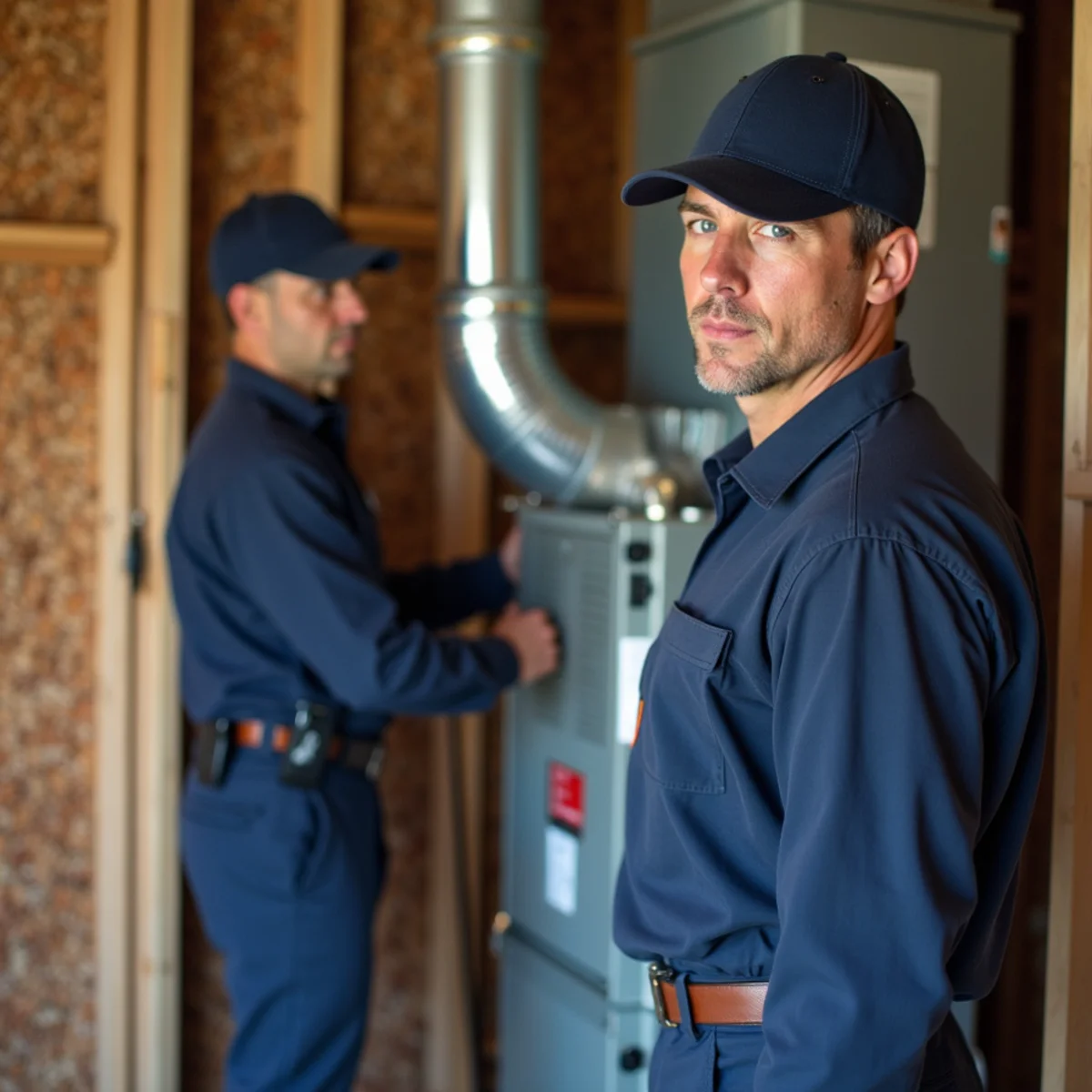
- Water intrusion: a high-water line on the unit, mud inside the cabinet, or a flooded furnace or air handler indoors.
Signs of a Power Surge
Lightning doesn't have to hit your house directly to damage your HVAC. A nearby strike or a grid surge as power is restored can take out the low-voltage control board, the capacitor, or even the compressor. If your system was working before the storm and is completely dead afterward — no thermostat response, no outdoor unit — with no obvious physical damage, suspect an electrical surge and have it checked before repeatedly trying to power it up.
Document Everything for Insurance
Storm damage to HVAC equipment is often covered under a homeowner's policy, but claims move faster and pay more fairly when the damage is well documented. Do this before any cleanup or repair.
- Photograph the unit from several angles, including close-ups of hail dents, debris, and any water line on the cabinet.
- Photograph the wider scene so the adjuster can connect the damage to the storm.
- Note the date and time of the storm and save any local weather or hail reports.
- Locate your equipment's make, model, and serial number, usually on a label on the cabinet.
- Keep the old parts and don't discard a damaged unit until the claim is settled.
- Get a written, itemized assessment from a licensed HVAC contractor.
A detailed contractor estimate that separates repair from replacement, and explains why, is one of the most useful documents you can hand an adjuster. It's the difference between a claim built on guesswork and one built on evidence.
Repair or Replace After a Storm
Not all storm damage means a new system. Bent coil fins can sometimes be combed straight, a surge-damaged control board or capacitor can be replaced, and a shifted unit can be reset and re-leveled. But a compressor that took a direct surge, a flooded unit with water in the sealed system, or an older unit facing major damage often makes replacement the smarter and safer choice. A thorough evaluation should also confirm the refrigerant charge is intact and the system holds pressure before it's returned to service.
The worst outcome after a storm is powering up a flooded or surge-damaged unit and turning a repairable problem into a total loss. When in doubt, leave it off and get it checked.
Watch for Water and Mold in the Days After
Storm recovery doesn't end when the wind stops. If wind-driven rain got into the house, or a flooded furnace and air handler soaked nearby drywall and flooring, moisture becomes the next problem. EPA guidance on water intrusion is to dry wet materials within 24 to 48 hours to limit mold growth, so don't let saturated insulation, ductwork, or building materials sit. Pull wet filters, get air moving with fans and a dehumidifier once power is safely restored, and have any water-logged ductwork evaluated — soaked flex duct and insulation trap moisture and can seed mold that circulates through the whole house. Document the water damage with photos alongside the equipment damage; adjusters treat the two together, and a clear record of both strengthens your claim.
Recover Safely and Get Documented Help
After a tornado or severe storm, Hooten Heating & Cooling provides storm HVAC assessment, repair, and full replacement across Joplin, Carl Junction, and the surrounding region — and we document the damage in the detail adjusters expect. If your system took a hit, don't gamble on turning it back on. Call (831) 461-3437 for a safety check and a written assessment that supports your insurance claim.
Related Services
Areas We Serve
Frequently Asked Questions
- Not until you've confirmed it wasn't flooded and there's no visible damage to the electrical components, fan, or refrigerant lines. If the unit was submerged or you suspect a lightning surge, leave it off and have it inspected. Powering up a flooded unit can destroy it and create a shock hazard.