Winterizing Your HVAC Before a Missouri Cold Snap
A practical winterizing checklist to get your heating system ready before the next Missouri cold snap — and avoid a no-heat night.
By Hooten Heating & Cooling · September 16, 2025 · 8 min read
Missouri weather can turn on a dime — a mild fall week followed by a hard freeze almost overnight. The worst time to discover your furnace isn't ready is the first bitter cold night of the season, when demand for repairs is highest and a no-heat call means a wait. A little effort before the cold arrives keeps your home warm and heads off the most common winter breakdowns. Here's how homeowners around Cassville and Marshfield can winterize their HVAC.
Start Inside: The Furnace and Filter
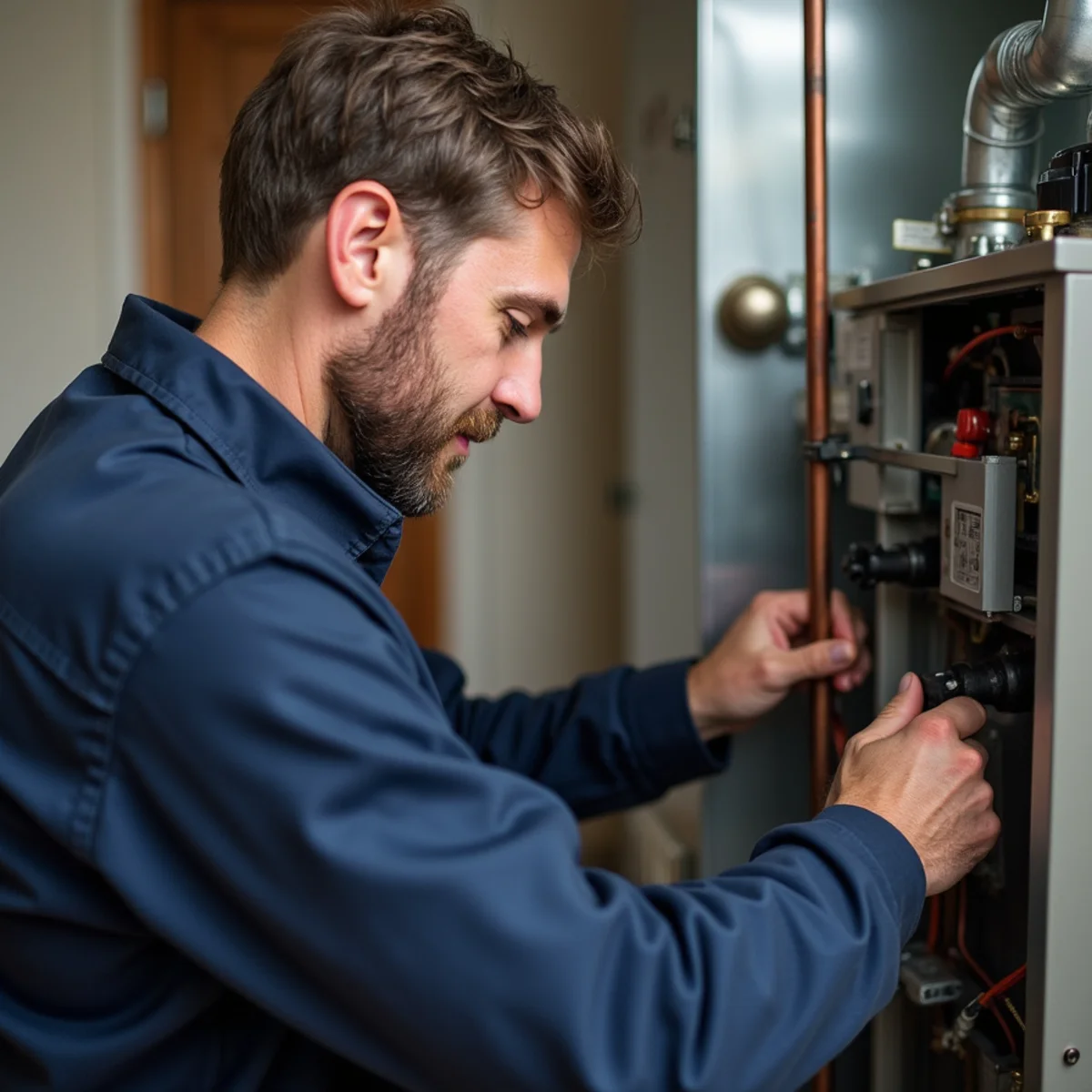
The heart of your winter comfort is the furnace or heat pump, and a few simple steps set it up for success.
- Replace the air filter. A fresh filter is the single most impactful thing you can do. A clogged filter restricts airflow, causes overheating, and trips the safety switch — a leading cause of no-heat calls.
- Test the system early. Turn the heat on for a cycle on a cool day, well before you need it, so you catch a problem while there's time to fix it calmly.
- Listen and smell. A brief dusty smell on first startup is normal. Persistent burning odors, loud bangs on ignition, or repeated short-cycling are signs to have it checked.
- Clear the area around the furnace. Remove stored items, boxes, and anything flammable from around the unit.
Check the Thermostat and Detectors
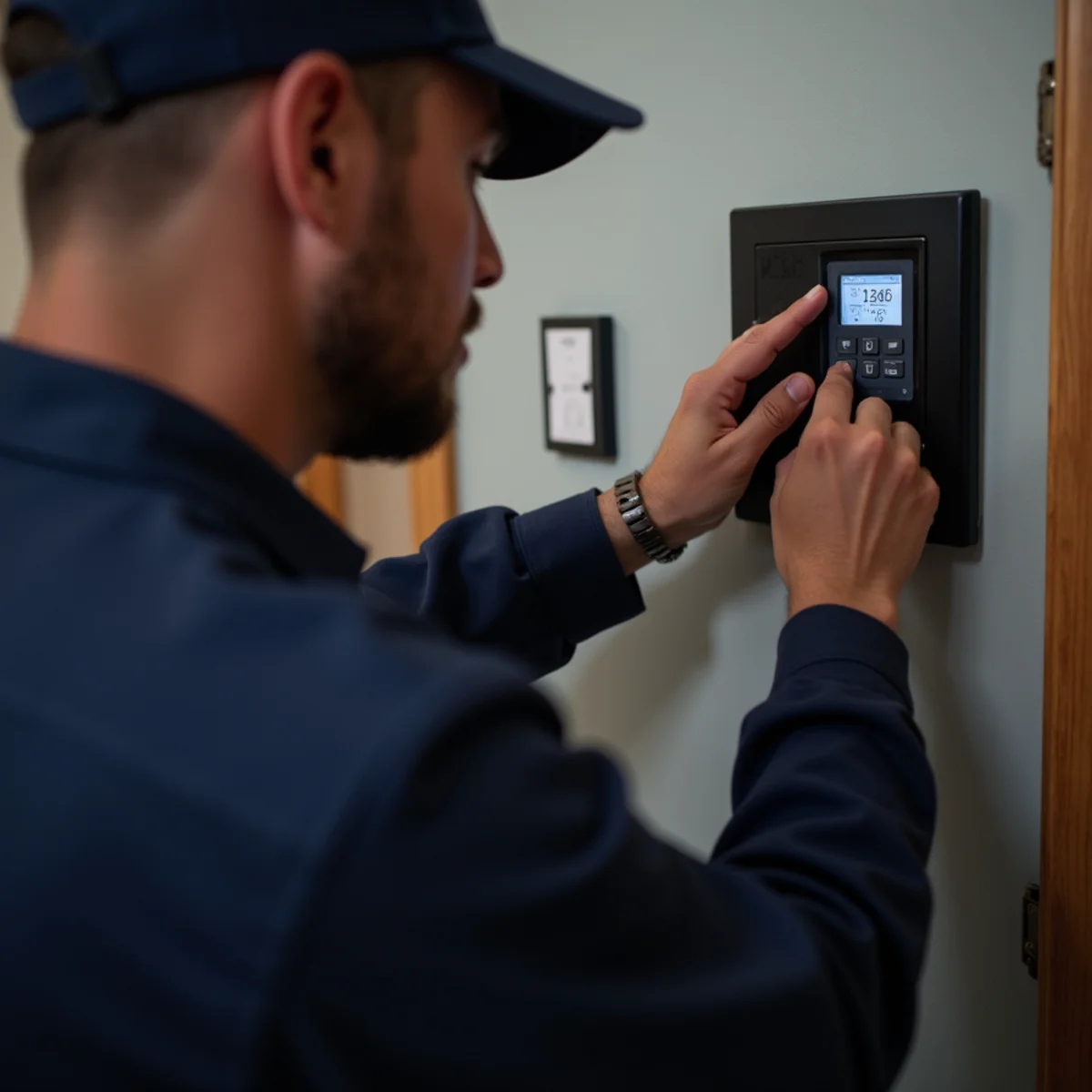
Replace the batteries in your thermostat and any carbon monoxide detectors — winter is when CO risk is highest, because combustion heating runs constantly and homes are sealed up tight. Test your CO alarms. If you have a programmable thermostat, set your winter schedule now. A carbon monoxide detector on every level of the home is basic protection whenever you run a gas or propane furnace.
Outside: Prep the Heat Pump or AC
Your outdoor equipment needs attention too, and what you do depends on the equipment.
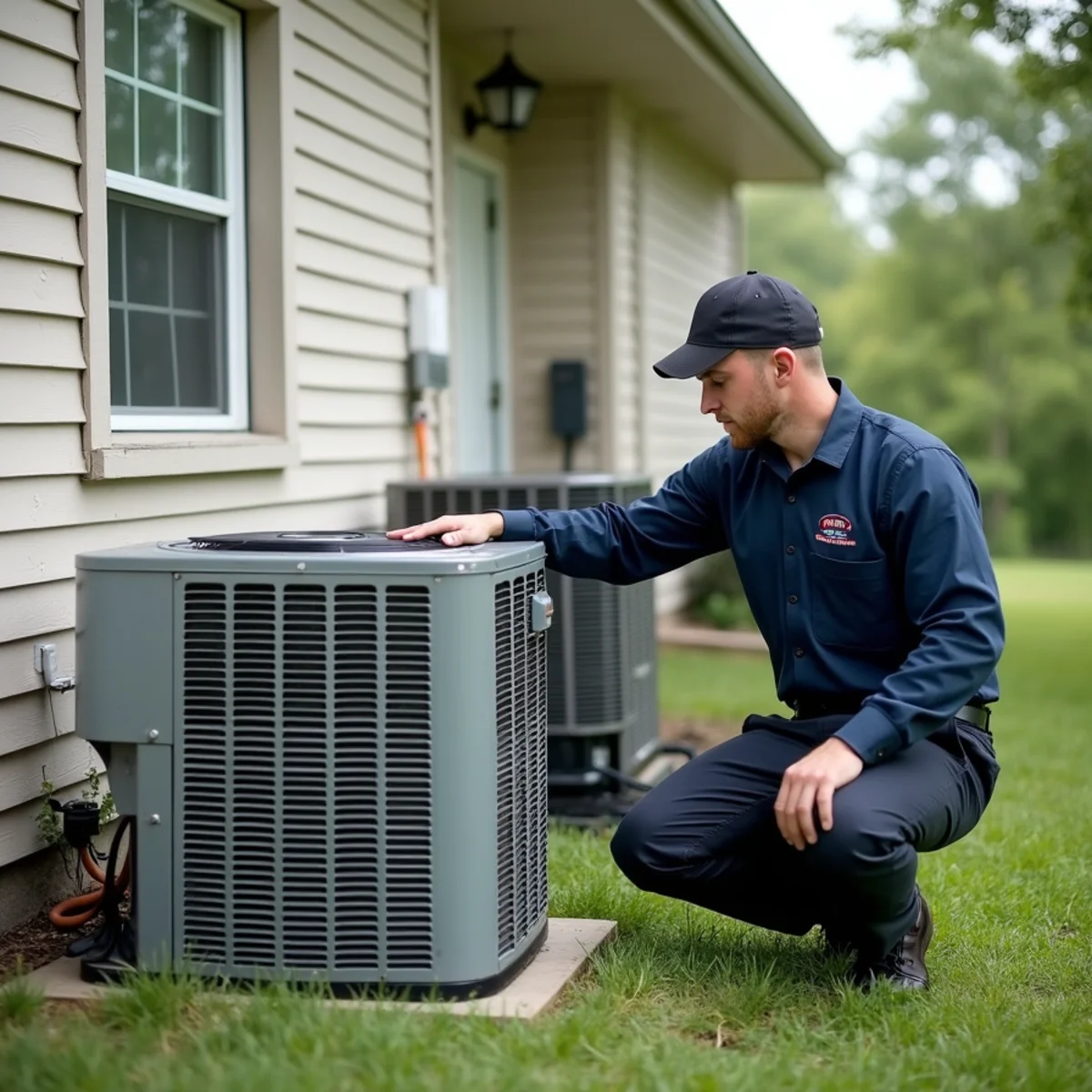
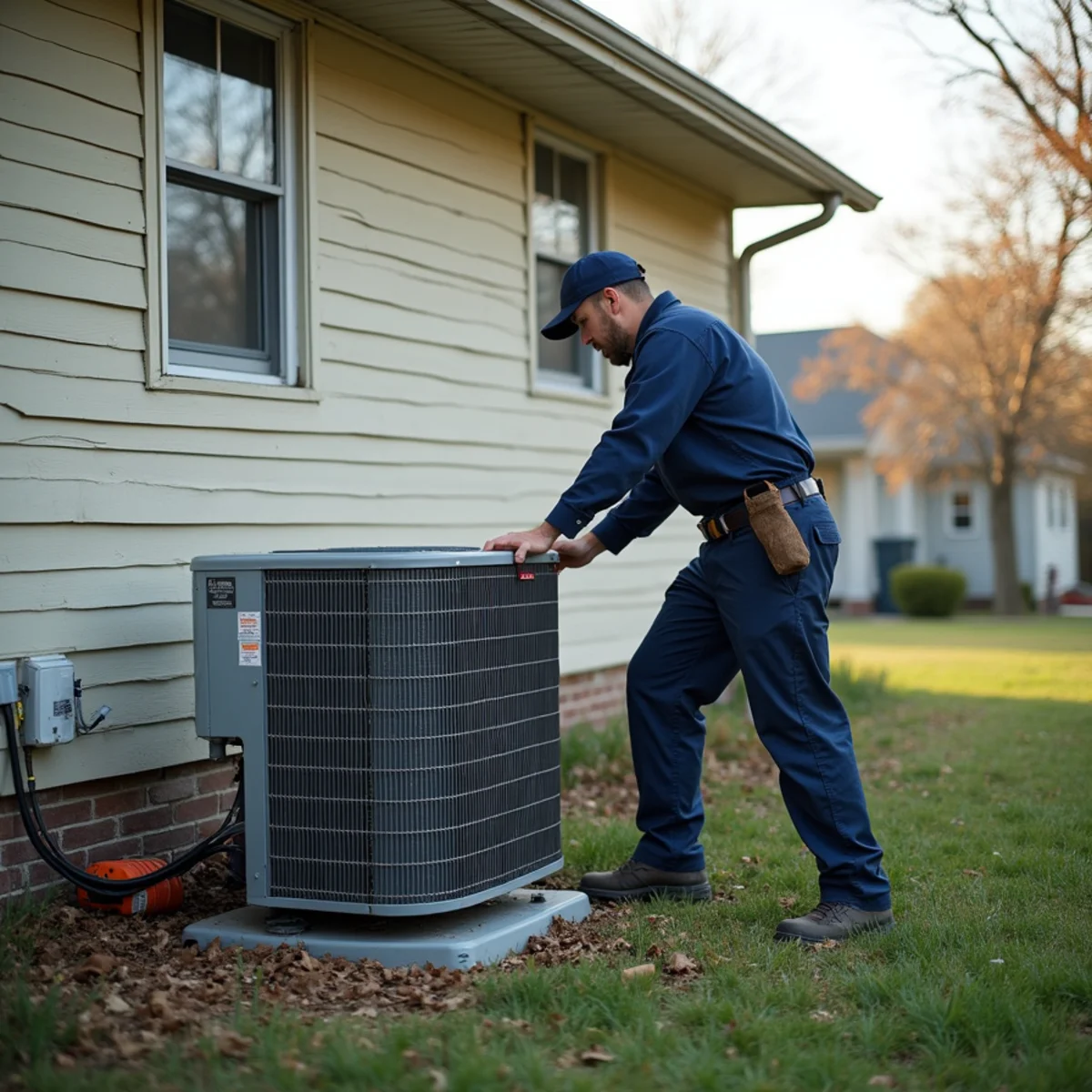
- For a heat pump, do not cover the outdoor unit. A heat pump runs all winter and needs airflow; a solid cover blocks it and causes problems. Just clear away leaves and debris and keep the base free of obstruction.
- For a central AC that won't run in winter, clear leaves and debris and keep the top clear of heavy objects. A breathable cover for the top only is fine; never wrap a unit airtight.
- Make sure nothing is piled against either unit that would restrict airflow or hold moisture against it.
- Ensure snow and ice can drain away from a heat pump rather than pooling and refreezing around the base.
Protect Against Frozen Pipes
Winterizing isn't only about the furnace. In a hard freeze, pipes on exterior walls and in unheated spaces are at risk. Know where your main water shutoff is, insulate exposed pipes in crawlspaces and along outside walls, and on the coldest nights let a vulnerable faucet drip and open cabinet doors so warm air reaches the plumbing. If your heat does fail in a cold snap, these steps buy you time.
The Value of a Fall Tune-Up
The most thorough winterizing step is a professional heating tune-up. A technician inspects the ignition system, burners, heat exchanger, blower, and safeties, checks for carbon monoxide concerns, and verifies the system is ready for a hard season. Because so many no-heat failures — a weak ignitor, a dirty flame sensor, a marginal capacitor — are detectable in advance, a fall tune-up is the difference between a scheduled fix and an emergency on the coldest night. It also keeps manufacturer warranties valid, which often require documented annual service.
Nearly every no-heat emergency we run on the first cold night could have been a routine October repair. Winterizing isn't busywork — it's the cheapest insurance against the coldest night of the year.
Stock the Basics and Know Your Shutoffs
A little preparation inside the house pays off when weather turns fast. Keep a few spare filters on hand so a clogged one is a two-minute fix rather than a trip to town in an ice storm. Know where your furnace switch, your electrical panel, and your main water shutoff are before you need them in the dark. If you heat with propane, check the tank gauge heading into a cold stretch and schedule a fill before you run low — deliveries slow down and demand spikes when everyone else is running low at the same time. Have flashlights, batteries, and warm bedding ready in case a storm knocks out power along with your heat, and keep your HVAC company's number somewhere you can find it. None of this is dramatic, but the households that ride out a cold snap comfortably are almost always the ones that thought about it in October instead of at midnight in January.
Get Ready Before the Cold Arrives
Don't wait for the first freeze to find out whether your furnace is ready. Hooten Heating & Cooling provides fall heating tune-ups and fast no-heat repair across Cassville, Marshfield, and the surrounding area, so you head into winter with a system you can count on. Call (831) 461-3437 to schedule your winterizing service before the next cold snap.
Related Services
Areas We Serve
Frequently Asked Questions
- Never cover a heat pump — it runs all winter and needs airflow. For a central AC that sits idle in winter, a breathable cover on the top only is fine to keep out debris, but never wrap any unit airtight, which traps moisture and can cause damage. Just clearing leaves and debris is usually enough.