When to Replace Your Water Heater: 7 Warning Signs
Seven clear warning signs that your water heater is nearing the end — and why acting before it fails saves you from a flooded floor.
By Hooten Heating & Cooling · April 15, 2025 · 7 min read
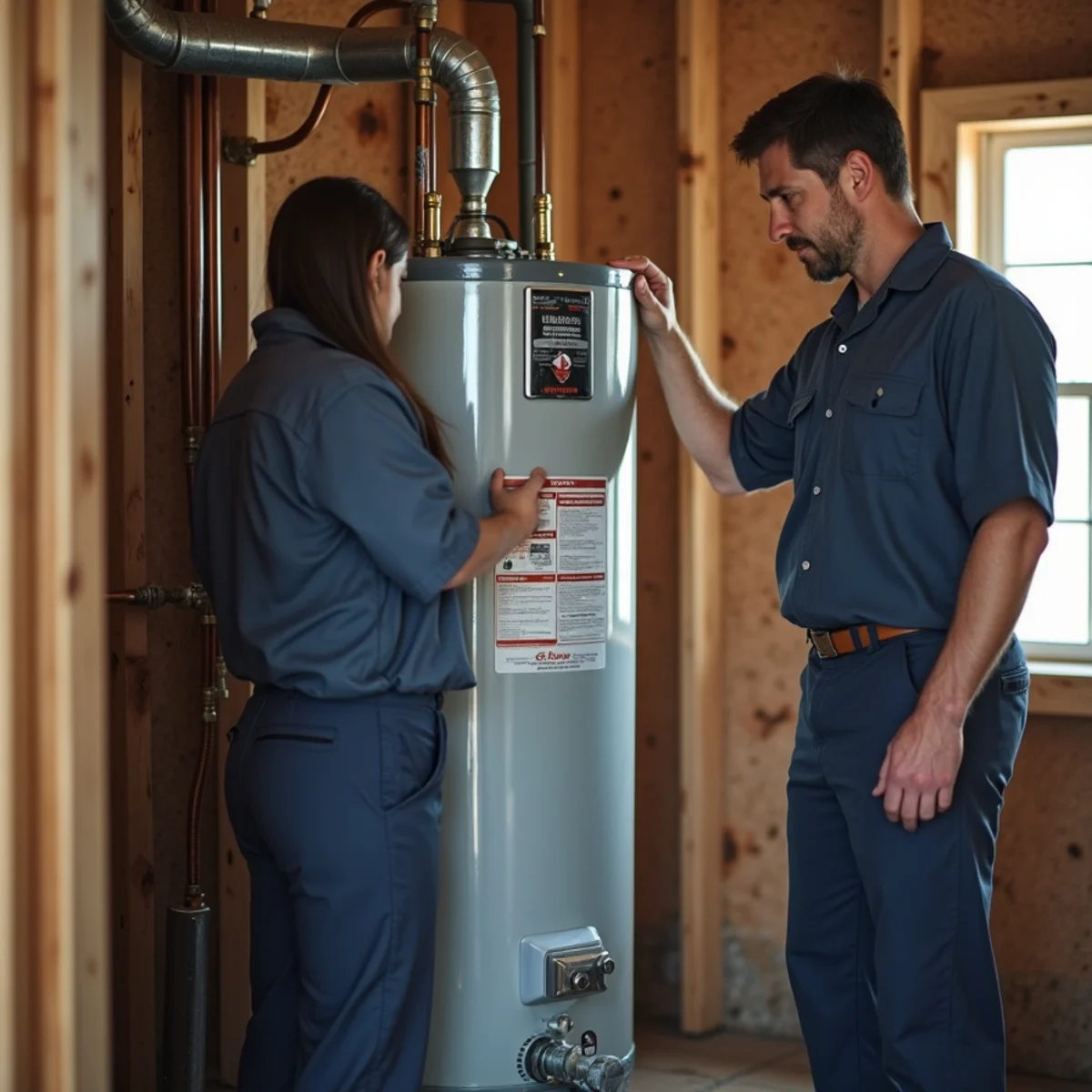
A water heater rarely fails at a convenient moment. It usually goes when you least expect it — often with a leak that soaks a utility room or floods a basement. The good news is that water heaters almost always warn you before they quit. Learning to read those signs lets you replace the unit on your terms, not after a cold shower and a wet floor. Here are seven signs it's time to plan a replacement.
1. Age Beyond 8 to 12 Years
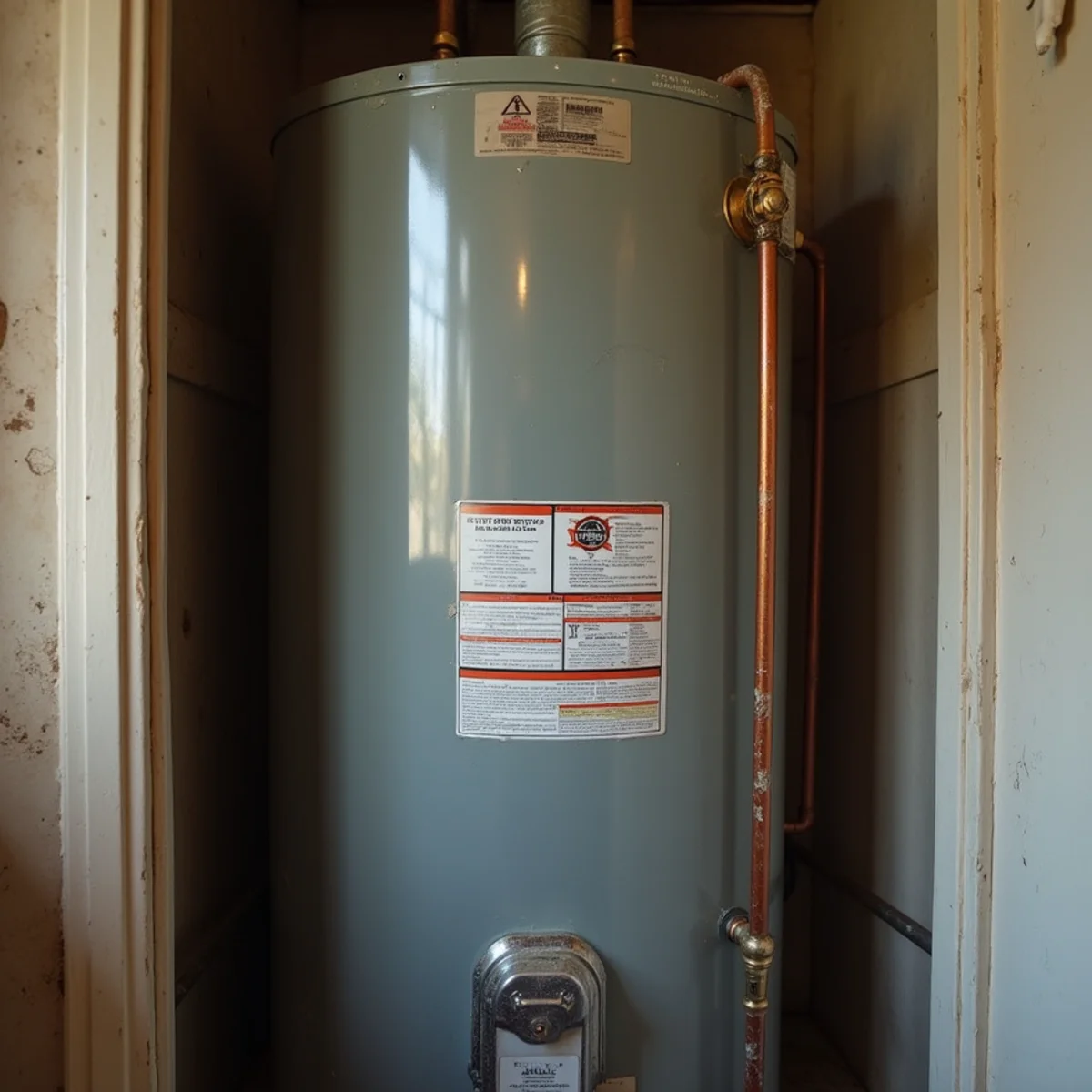
A conventional tank water heater typically lasts 8 to 12 years. If yours is in or past that range, it's living on borrowed time even if it still works. Check the manufacture date on the label — the first digits of the serial number often encode the year. Once a unit is a decade old, budgeting for replacement is smarter than waiting for a failure.
2. Rusty or Discolored Hot Water
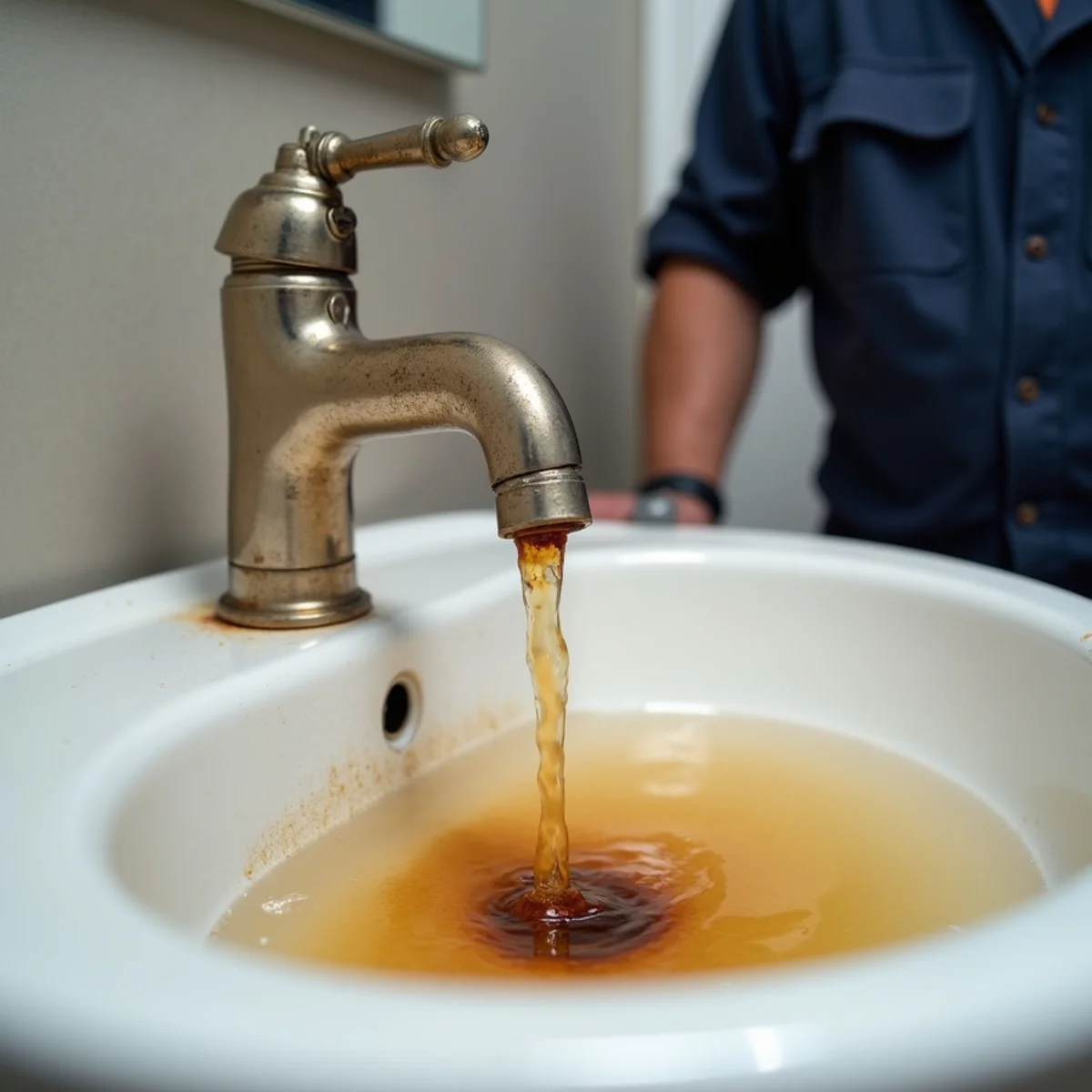
If rusty, brown, or metallic-smelling water comes out of your hot taps but your cold water is clear, the corrosion is inside the tank. The sacrificial anode rod that protects the tank has likely been used up, and the tank itself is starting to rust from the inside. That corrosion only gets worse and eventually leads to a leak.
3. Rumbling or Popping Noises
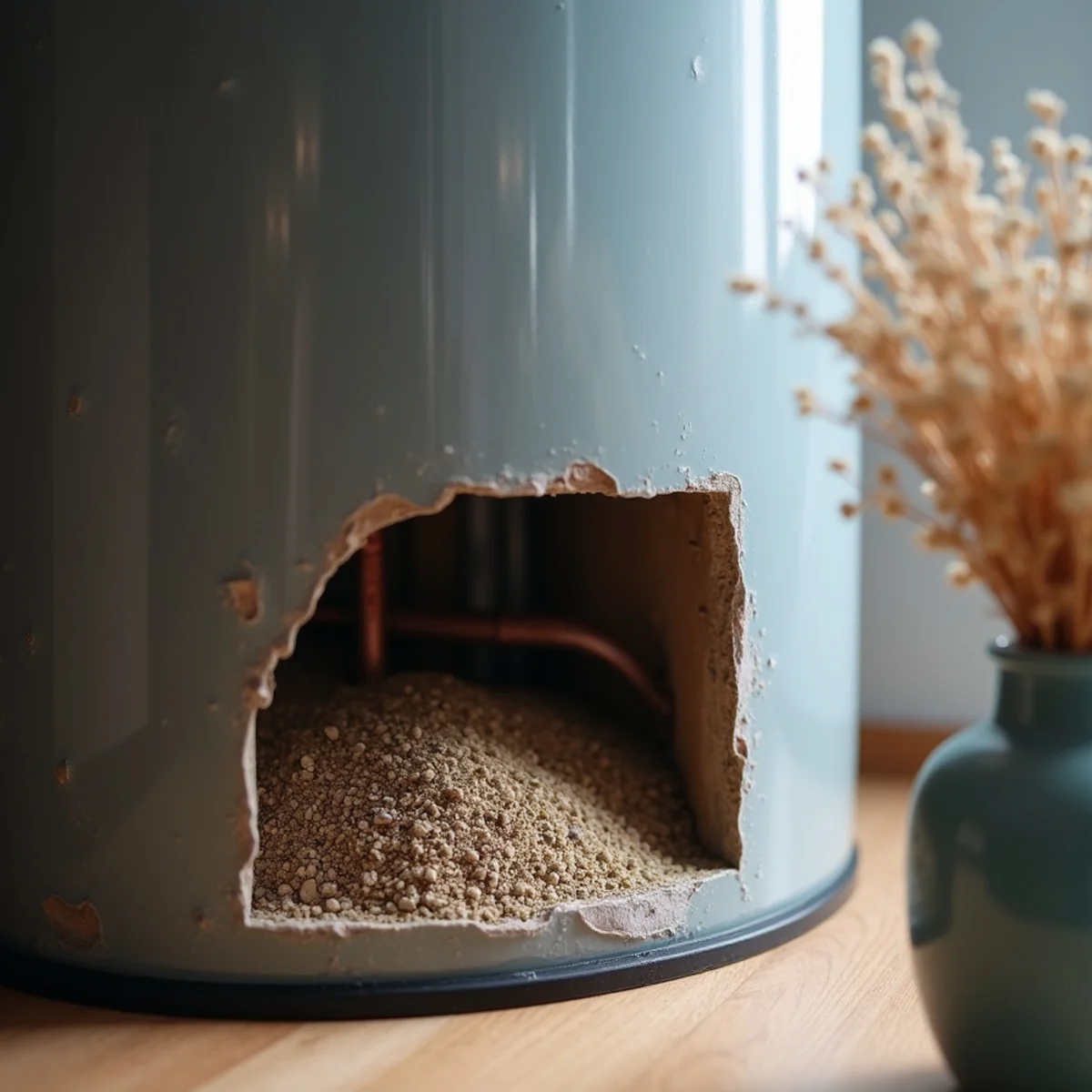
Over the years, sediment and mineral scale settle at the bottom of the tank. In our part of Missouri, harder well water can accelerate this. When the burner heats through that layer, you'll hear rumbling, popping, or banging. The sediment insulates the water from the heat source, forces the unit to work harder, and speeds up tank wear.
4. Running Out of Hot Water Faster

If showers turn cold sooner than they used to, or you can't get through your normal routine on hot water, the tank's capacity is effectively shrinking — usually because sediment is taking up space and a failing heating element or burner isn't keeping up. A water heater that can no longer meet your household's demand is telling you its useful life is ending.
5. Water Around the Base
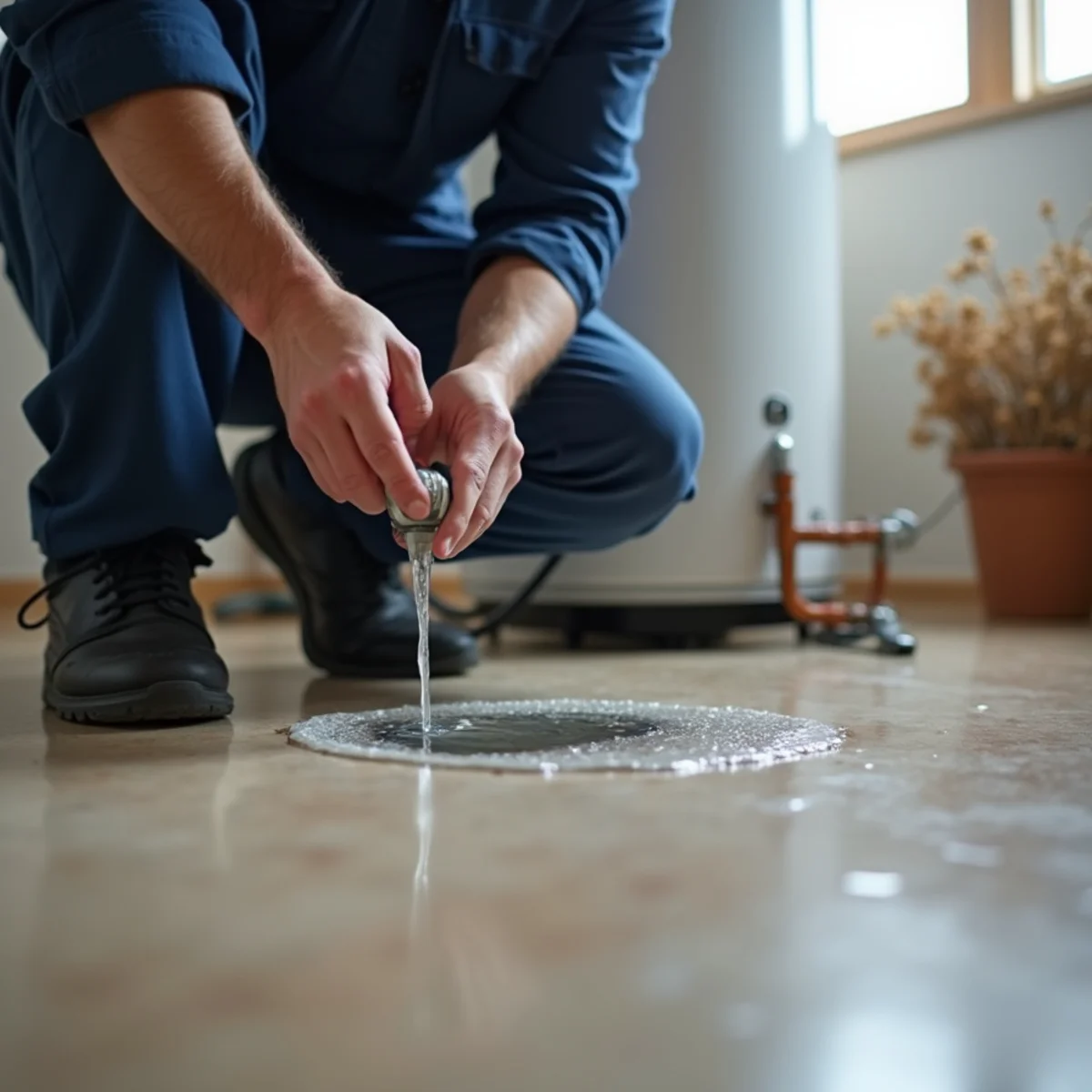
Moisture, puddles, or corrosion around the base of the tank is a serious warning. While it can occasionally be a fitting or valve, water pooling at the base often means the tank has developed a crack or corrosion leak — and once a tank is leaking, it cannot be repaired. This is the sign that most often precedes a full failure, so don't wait on it.
6. Repairs Adding Up
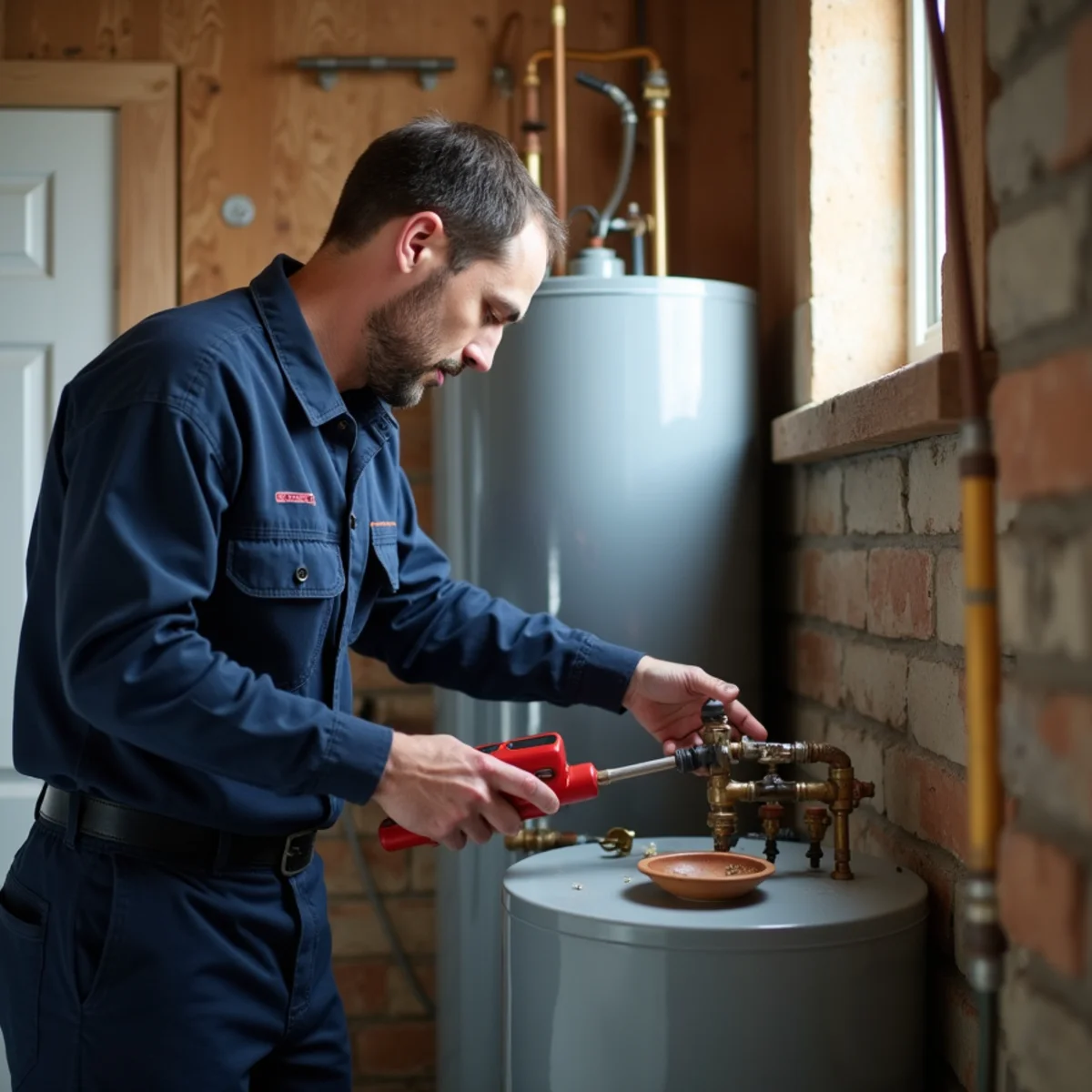
Occasional repairs on a younger unit make sense. But when you're replacing thermostats, elements, or valves repeatedly on an aging heater, you're pouring money into a unit near the end of its life. When repair costs start approaching a meaningful share of replacement, a new, more efficient unit is the better value.
7. Rising Energy Costs

An aging water heater loaded with sediment and worn components works harder to deliver the same hot water, which shows up on your utility bill. If your energy costs are creeping up without a clear reason, an inefficient water heater may be part of it. Newer units are meaningfully more efficient.
Plan Ahead Rather Than React
Watch for these signs together, not in isolation.
- One sign, like age alone, means start budgeting.
- Rusty water or noises means schedule an evaluation.
- Water at the base means act now, before it fails.
- Several signs at once means replacement is overdue.
Nobody wants to shop for a water heater standing in an inch of water. The homeowners who come out ahead are the ones who replaced on their schedule after reading the warning signs.
Tank vs. Tankless When You Replace
When it is time to replace, you have more options than a like-for-like swap. A standard tank heater is the lowest up-front cost and the simplest replacement, and it keeps a reservoir of hot water ready — though it also stands by losing heat and eventually fails as a tank. A tankless unit heats water on demand, never runs out during back-to-back showers, lasts longer, and takes up far less space, but costs more to install and may need gas-line or electrical upgrades to supply its higher instantaneous demand. For a rural home on propane, that fuel math matters, and for a home on hard well water, either type benefits from attention to sediment and, in some cases, a softener to protect it. Sizing matters too: the right capacity or flow rate depends on your household's peak demand — how many fixtures run at once — not just the size of the old unit. We'll walk you through which fits your home and budget.
Replace on Your Terms, Not After a Flood
If your water heater is showing any of these signs, it's worth an evaluation before it leaves you without hot water — or with a flooded floor. Hooten Heating & Cooling handles water heater replacement across Goodman, Neosho, and McDonald County, sized right for your household and installed to last. Call (831) 461-3437 to plan a replacement on your schedule.
Related Services
Areas We Serve
Frequently Asked Questions
- A conventional tank water heater typically lasts 8 to 12 years. Harder well water and skipped maintenance can shorten that, while annual flushing to clear sediment can extend it. Once a unit passes a decade, it's wise to budget for replacement even if it still works.