Surviving Southwest Missouri's Humid Summers With the Right AC
Southwest Missouri summers aren't just hot — they're humid. Here's why AC sizing and humidity control matter as much as raw cooling power.
By Hooten Heating & Cooling · June 3, 2025 · 8 min read
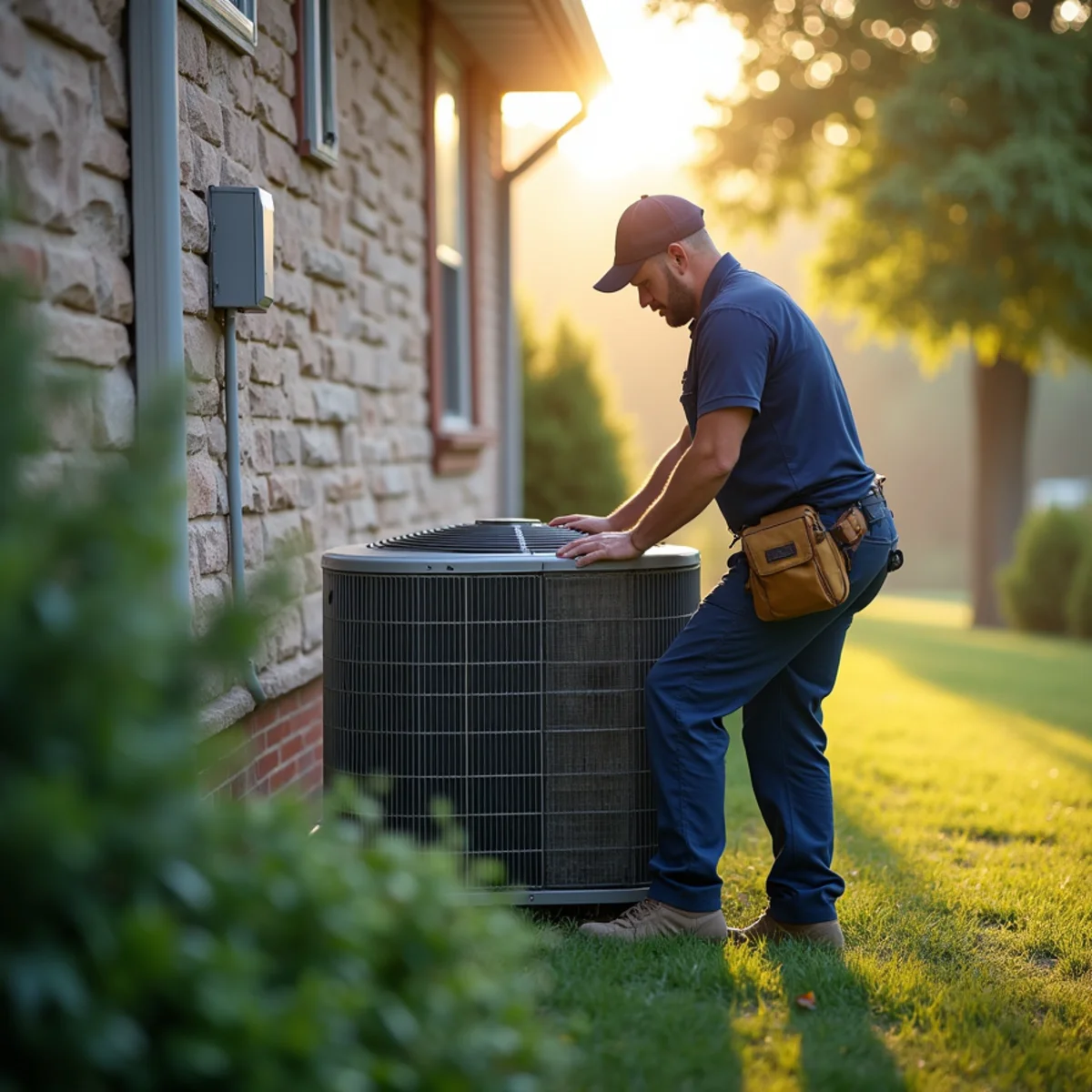
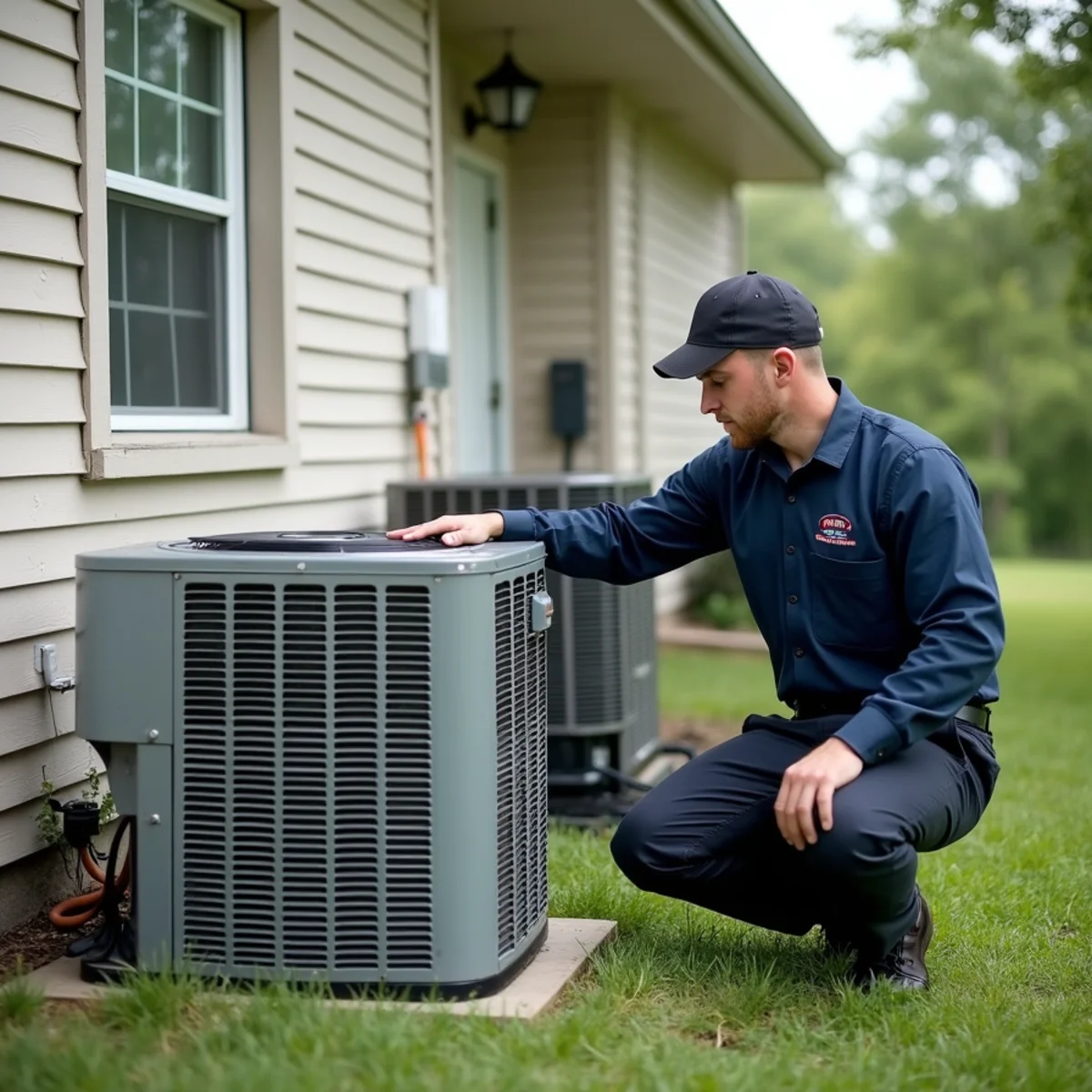
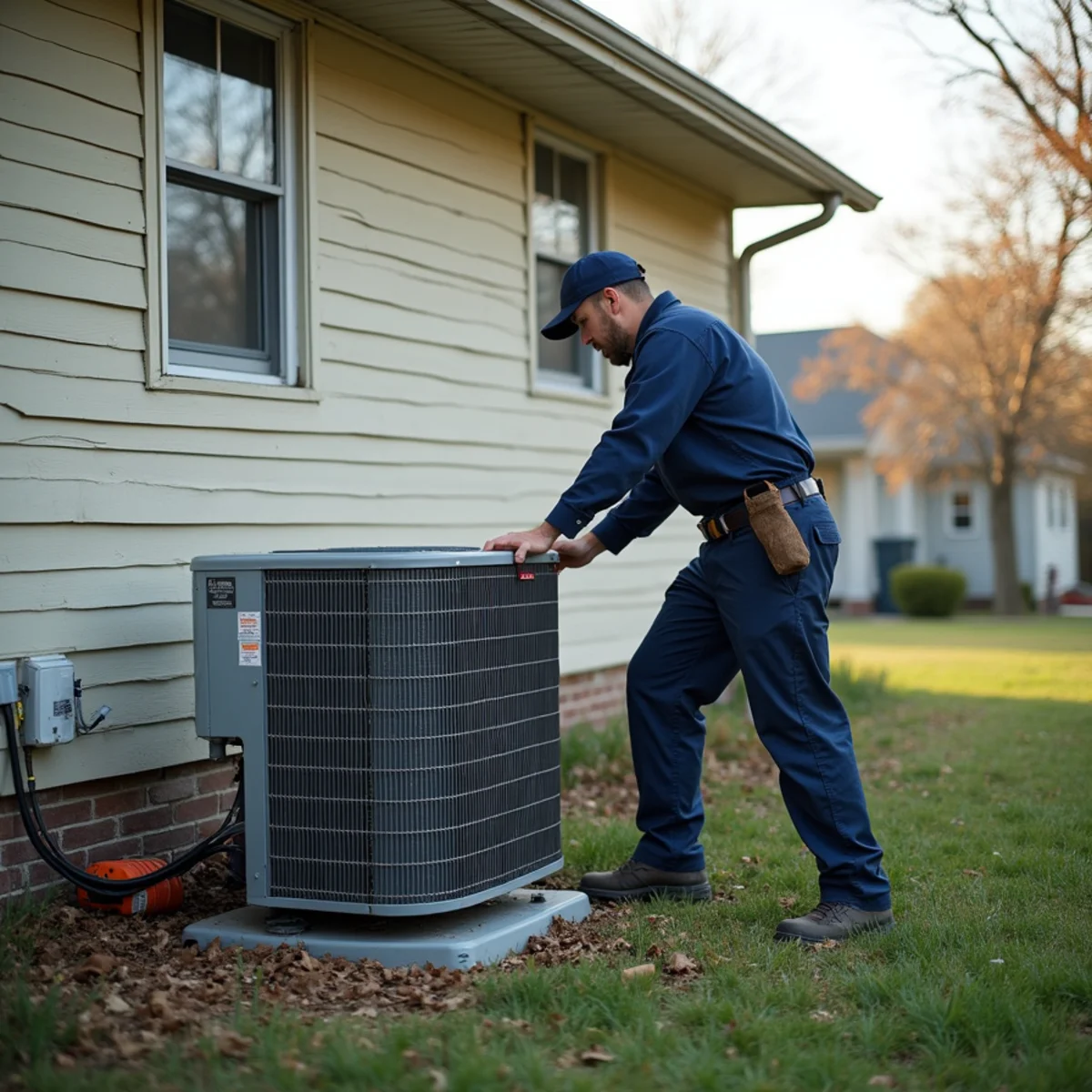
Anyone who has spent a July in Neosho or Monett knows Southwest Missouri summers aren't just hot — they're humid. That combination is what makes our summers feel oppressive, and it changes what your air conditioner needs to do. A system that only chases temperature while ignoring humidity leaves your home feeling clammy even when the thermostat reads 72. Understanding the role of humidity, and why proper sizing matters so much, is the key to actually being comfortable through a Missouri summer.
Why Humidity Is the Real Enemy
Your air conditioner does two jobs at once. It lowers the air temperature, and it removes moisture from the air as warm, humid air passes over the cold evaporator coil and water condenses out. That second job — dehumidification — is what makes a home feel comfortable. When indoor humidity is too high, 72 degrees feels sticky and muggy, and you crank the thermostat lower chasing a comfort that never comes. Keeping indoor relative humidity in the 30 to 50 percent range is what makes a house feel genuinely cool and comfortable.
The Oversizing Trap
Here's a counterintuitive truth: a bigger air conditioner is not better, and in a humid climate it's often worse. An oversized AC cools the air quickly and shuts off before it has run long enough to pull much moisture out of the air. The result is a home that feels cold and clammy — the thermostat is satisfied, but the humidity is still high. The system then short-cycles: on, off, on, off. That wastes energy, wears out the compressor, and never delivers the steady dehumidification a humid summer demands.
Why Right-Sizing Wins
A correctly sized air conditioner runs longer, steadier cycles. Those longer runs give the coil time to wring moisture out of the air, holding humidity in the comfortable range while maintaining a steady temperature. The house feels cool and dry rather than cold and damp, and the equipment lasts longer because it isn't constantly starting and stopping. This is exactly why we size systems with a Manual J load calculation rather than a square-footage rule of thumb — the goal is matching capacity to the home's real load, not rounding up.
What to Look for in a System
When choosing an air conditioner for our climate, keep these in mind:
- Proper sizing from a Manual J calculation — the single most important factor for comfort and humidity control.
- A variable-speed or two-stage system, which runs longer at lower capacity for excellent dehumidification and steady temperatures.
- A matched, properly sized evaporator coil so the system performs as rated.
- Sound ductwork, checked with a Manual D review, so the cooling and dehumidification actually reach every room.
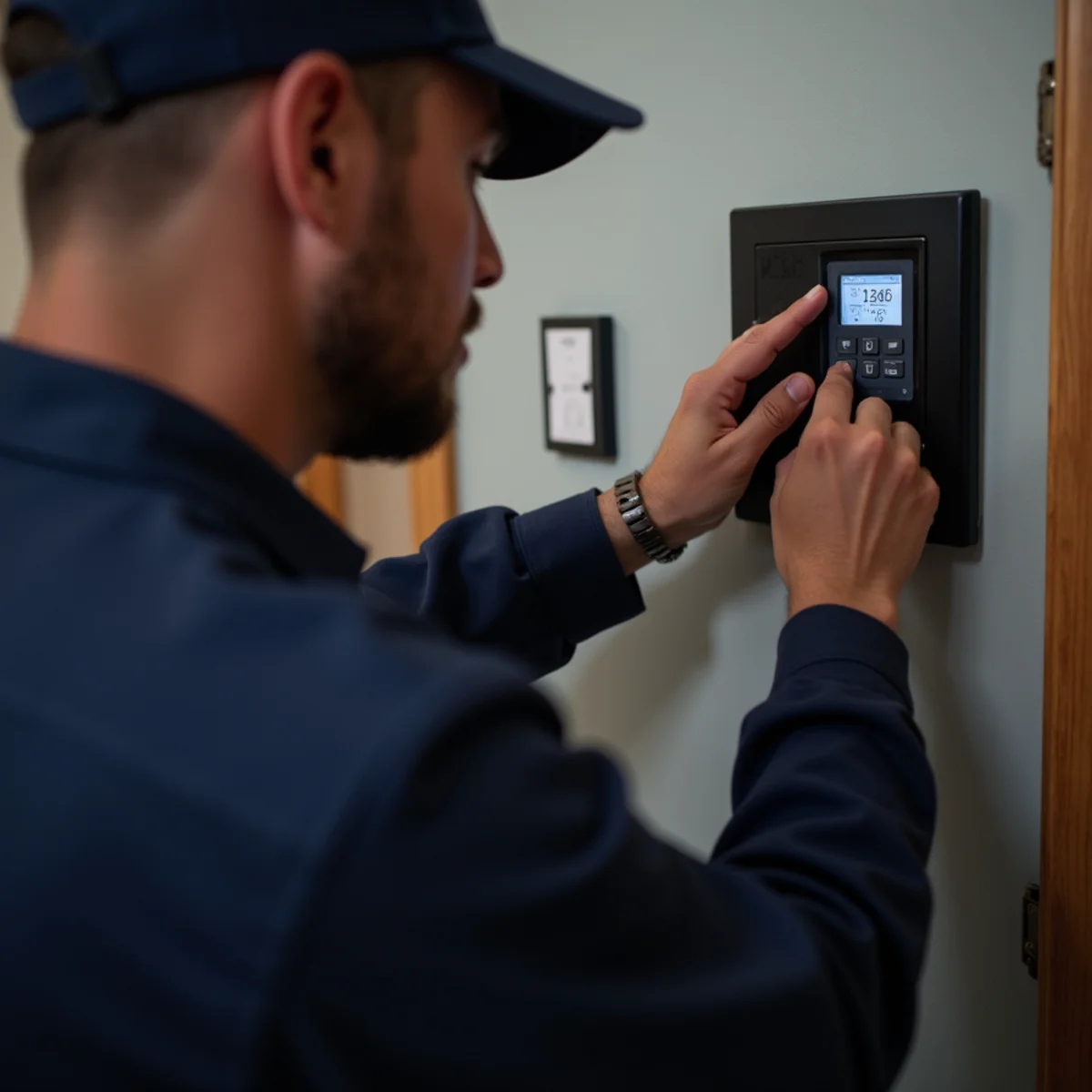
- A quality thermostat, and in some homes a dedicated dehumidifier, for tighter humidity control.
Don't Forget the Condensate Drain
All that moisture the AC removes has to go somewhere — it collects in a pan and drains away through the condensate line. In a humid climate, the system pulls a lot of water, and a clogged condensate drain is a common summer problem. When it backs up, it can trip a safety switch that shuts the system down, or it can overflow and cause water damage near the air handler. EPA guidance on water intrusion is to dry wet materials within 24 to 48 hours to limit mold risk, so a clogged drain isn't just an inconvenience. Keeping the drain clear is part of every good maintenance visit.
The most comfortable homes in a Missouri summer aren't the ones with the coldest thermostat setting — they're the ones where a right-sized system holds humidity in check while the temperature stays steady.
When the AC Alone Isn't Enough
Some homes fight humidity even with a correctly sized system, and it's worth knowing your options before assuming the AC is the problem. A very tight, well-insulated home may not need much cooling, so the AC runs short cycles that don't dehumidify well — the opposite of an oversized-unit issue but with the same clammy result. Homes with high internal moisture from cooking, showers, or a damp crawlspace can also overwhelm what the AC removes. In these cases, a whole-home dehumidifier that ties into the ductwork gives you independent control of humidity regardless of whether the AC is calling for cooling, and it's a common addition in our climate. Sealing and insulating a damp crawlspace, running bath and kitchen exhaust fans, and making sure the condensate system drains freely all attack the moisture at its source. The goal is the same 30-to-50-percent range, reached with the right combination of tools for how your particular home behaves.
Beat the Humidity With the Right System
Comfort in a Southwest Missouri summer comes from controlling humidity, not just temperature — and that starts with a properly sized, well-installed system. Hooten Heating & Cooling installs and services air conditioners across Neosho, Monett, and the surrounding area, sized with a real load calculation for even, dry comfort. Call (831) 461-3437 to get a system that actually beats the Missouri humidity.
Related Services
Areas We Serve
Frequently Asked Questions
- Often the air conditioner is oversized. It cools the air quickly and shuts off before running long enough to remove much moisture, leaving the home cold and clammy. A right-sized system runs longer, steadier cycles that pull humidity down into the comfortable 30 to 50 percent range.