Heating Rural Missouri Farmhouses: Propane and Heat Pumps
Heating an older rural Missouri farmhouse comes with unique challenges — here's how propane, heat pumps, and dual-fuel stack up for country homes.
By Hooten Heating & Cooling · January 22, 2025 · 8 min read
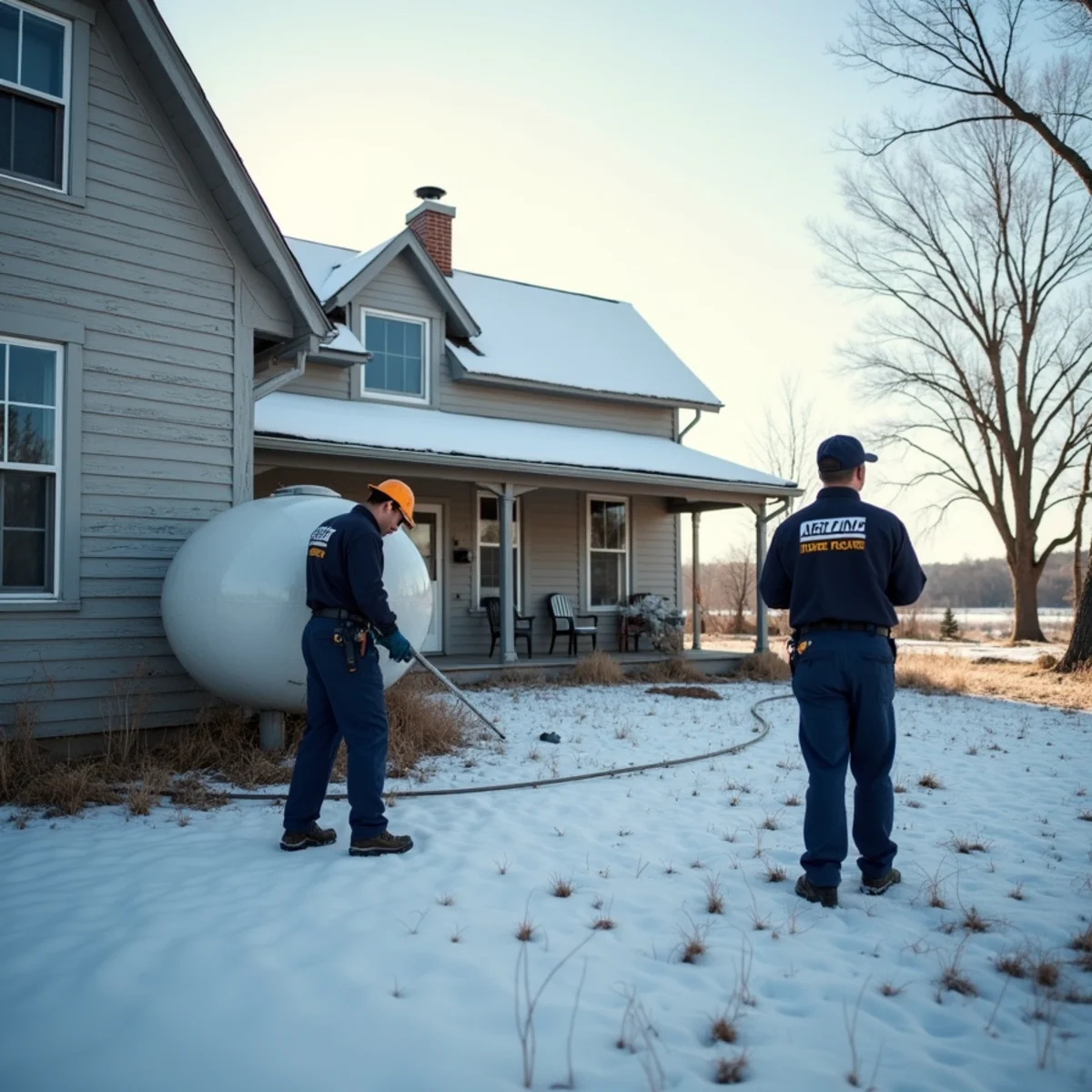
Heating a farmhouse out around Stella or Rocky Comfort is a different job than heating a new build in town. These homes often sit well off the natural gas line, carry decades of additions and remodels, and rarely have the tight insulation and modern ductwork that newer houses take for granted. Getting comfortable, affordable heat into a rural Missouri farmhouse takes some understanding of what you're working with. This guide walks through the realities and the options that fit country homes.
The Rural Farmhouse Challenge
Older farmhouses come with a recognizable set of heating challenges. Understanding them is the first step to choosing the right system.
- No natural gas: most rural properties rely on propane, electricity, or wood rather than a gas line.
- Drafty envelopes: original windows, uninsulated walls, and stacked additions leak heat, so the home's heating load can be high.
- Patchwork ductwork: additions often mean undersized, leaky, or missing ducts, leaving some rooms cold no matter the system.
- Long response distances: a breakdown means a longer wait, so reliability matters more than in town.
- Higher exposure: open, windy properties lose heat faster and put more strain on equipment.
Propane Furnaces: Reliable Heat Off the Gas Line
For many farmhouses, a propane furnace is the traditional and dependable choice. Propane delivers strong, hot air even in the deepest cold, which matters in a drafty home on a windy night. The trade-offs are fuel price exposure — propane costs swing with the market — and the logistics of tank deliveries. A high-efficiency propane furnace, properly sized to the home's real load, keeps a rural home warm reliably, and pairing it with a separate air conditioner covers summer.
Heat Pumps: Efficient, and They Cool Too
A heat pump is worth serious consideration for a farmhouse, especially one already relying on expensive electric-resistance heat or propane at high prices. Because a heat pump moves heat rather than burning fuel, it delivers far more heating per unit of energy in mild-to-moderate weather, and it provides air conditioning in summer — one system for both seasons. The consideration for a drafty farmhouse is that a standard heat pump's efficiency drops in deep cold, when backup heat kicks in. In a leaky, high-load home, that backup can run more than you'd like unless the envelope is reasonably tight or the unit is a cold-climate model.
Ductless Mini-Splits for Additions and Zones
Farmhouses that grew room by room are often perfect candidates for ductless mini-split heat pumps. Because they need no ductwork, a mini-split can heat and cool an addition, a converted porch, an upstairs bedroom, or a home office that the main system never reached well. They let you condition the spaces you actually use, zone by zone, without extending problematic ductwork.
The Dual-Fuel Sweet Spot
For a lot of rural Missouri homes, the best answer combines both. A dual-fuel system pairs a heat pump with a propane furnace: the heat pump handles the milder majority of the season efficiently, and when the temperature drops past a set balance point, the propane furnace takes over to deliver reliable heat in the deep cold. You get low operating costs most of the winter, dependable output on the coldest nights, and air conditioning in summer — a genuinely good fit for a drafty country home.
- Assess the home's insulation, ductwork, and heating load first.
- Address easy envelope improvements where they pay off.
- Size the system to the corrected load with a Manual J calculation.
- Choose propane, heat pump, dual-fuel, or mini-splits based on your fuel costs and layout.
- Set the dual-fuel balance point to the crossover where propane becomes the cheaper source.
The most comfortable farmhouses we work on aren't the ones with the biggest furnace — they're the ones where the envelope, the ductwork, and the equipment were matched to how the family actually lives in the house.
Reliability Matters More in the Country
When you live down a long gravel road, a heating failure carries higher stakes than it does in town. Help is farther away, a hard freeze can threaten pipes in a poorly insulated farmhouse within hours, and the nearest parts counter isn't around the corner. That reality should shape your choices. Favor equipment with a reputation for durability over the cheapest option, keep a documented maintenance rhythm so failures are caught before they strand you, and think about resilience — a backup heat source like a wood stove or a propane setup that can run with minimal electricity is genuine insurance in an area prone to storm-related power outages. A whole-home surge protector is worth having too, since rural power comes back on with surges that damage electronics and control boards. Building in that margin of reliability is part of heating a country home well, not an afterthought.
Heat Your Country Home the Right Way
Every farmhouse is different, and the right heating setup depends on your home's envelope, your fuel costs, and how you use your space. Hooten Heating & Cooling knows rural heating across Stella, Rocky Comfort, and McDonald County, and we'll assess your home honestly before recommending propane, a heat pump, or a dual-fuel system. Call (831) 461-3437 to talk through what fits your country home.
Related Services
Areas We Serve
Frequently Asked Questions
- It depends on the home. Propane furnaces deliver reliable heat off the gas line, heat pumps are efficient and add cooling, and dual-fuel systems combine both. For drafty older homes, addressing insulation and ductwork first often matters more than the equipment choice. An assessment determines the best fit.