Table Rock and Elk River Cabins: Seasonal HVAC Tips
Seasonal HVAC advice for Table Rock and Elk River cabins — how to protect a part-time home from humidity, freezing, and surprise breakdowns.
By Hooten Heating & Cooling · May 13, 2025 · 7 min read
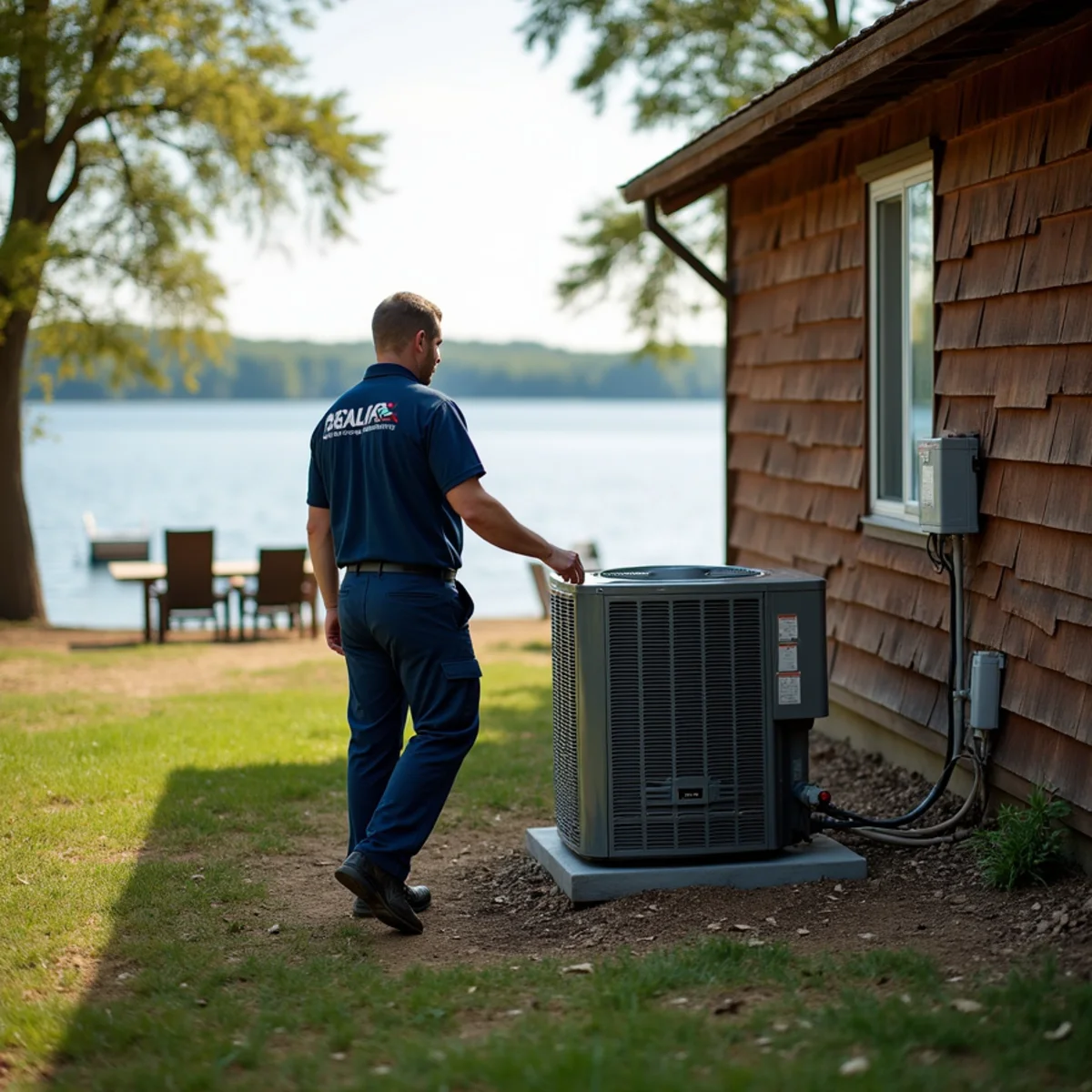
A lake cabin near Shell Knob or along the Elk River comes with a particular HVAC challenge: it sits empty for stretches at a time. A part-time home is exposed to problems a full-time house rarely faces — humidity building unchecked, pipes freezing with no one there to notice, and small equipment issues turning into big ones between visits. A little seasonal planning keeps your getaway comfortable and prevents the kind of damage that greets you at the door after a long absence.
The Part-Time Home Problem
When a cabin is unoccupied, no one is there to catch the early signs of trouble. Humidity that would be noticed and corrected in an occupied home instead builds day after day, feeding mold and musty odors. A heating failure in winter goes undetected until pipes freeze and burst. A refrigerant leak or a clogged drain quietly worsens. The whole goal of seasonal cabin HVAC care is to manage these risks remotely and with the right settings, so you're not walking into an expensive mess.
Summer: Control Humidity, Not Just Heat
Near the water, summer humidity is high, and a closed-up cabin traps it. If you shut the AC off entirely to save money while you're away, moisture builds, and you risk mold, warped wood, and that unmistakable musty smell. The better approach is humidity management.
- Rather than turning the system off, set the thermostat higher — around the low 80s — so the AC still runs periodically to remove moisture without cooling an empty cabin to a comfortable temperature.
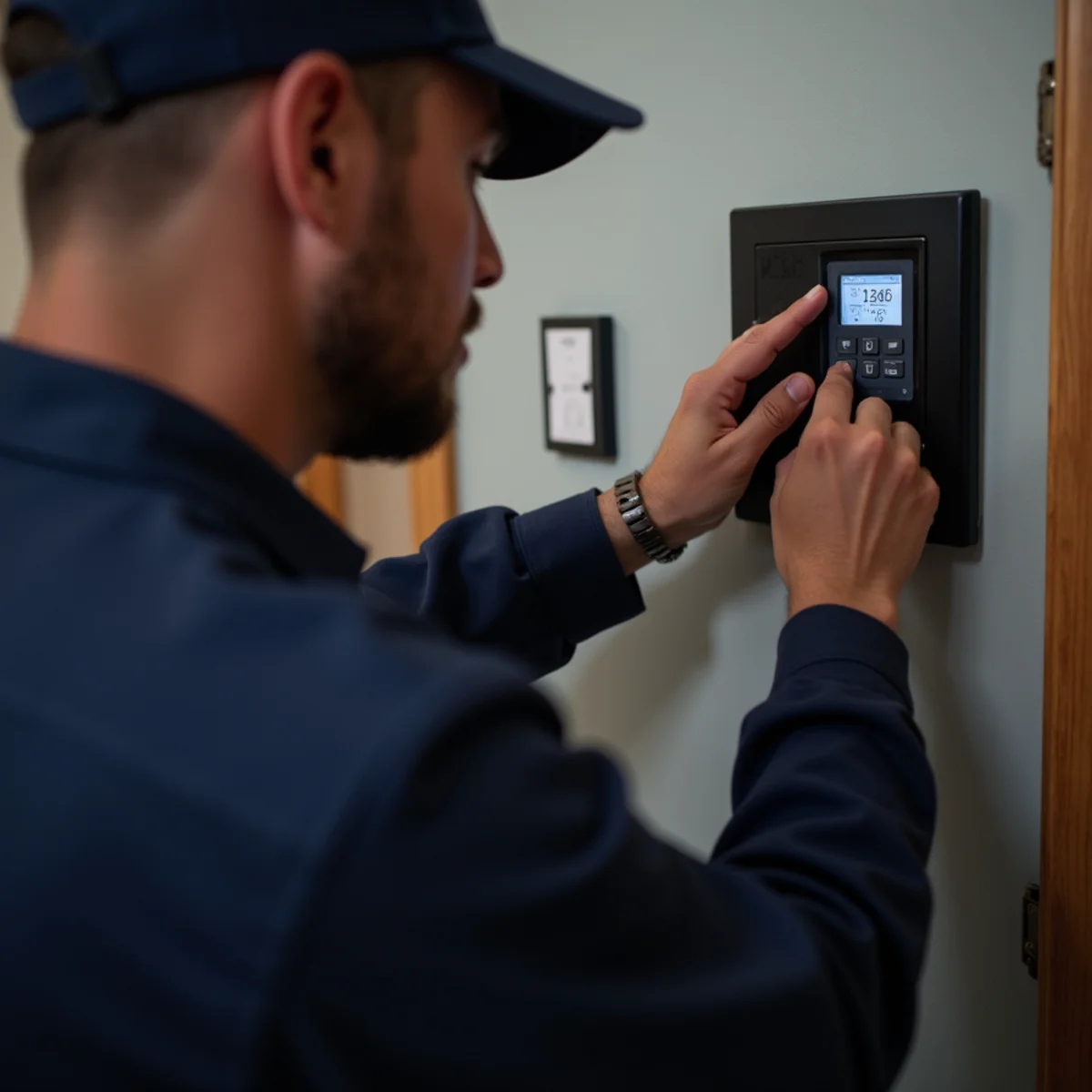
- A smart thermostat lets you monitor conditions and cool the place down before you arrive.
- In damp lakeside cabins, a dedicated dehumidifier can hold humidity in check between visits.
- Keep the condensate drain clear, since a clog while you're away can overflow undetected and cause water damage.
Winter: Prevent Freezing and Protect Pipes
If you use the cabin in winter, or leave heat on to protect the plumbing, the priority is preventing frozen pipes. A no-heat failure in an empty cabin during a cold snap can lead to burst pipes and serious water damage.
- Keep the heat set no lower than about 55 degrees to protect pipes, rather than shutting it off entirely.
- Use a smart or connected thermostat so you can monitor the temperature remotely and get an alert if it drops unexpectedly.
- Open cabinet doors under sinks on exterior walls so warm air reaches the plumbing.
- If you're fully winterizing and shutting off the heat, have the water system properly drained and blown out first.
- Have the heating system checked in fall so it doesn't fail on the first cold night while no one's there.
The Case for a Smart Thermostat
For a part-time home, a connected thermostat is one of the best investments you can make. It lets you monitor temperature and humidity from your phone, adjust settings before a trip so the cabin is comfortable when you arrive, and — most importantly — receive alerts if the temperature swings out of a safe range. That early warning can be the difference between a quick fix and a flooded cabin.
Maintenance Matters More for a Cabin
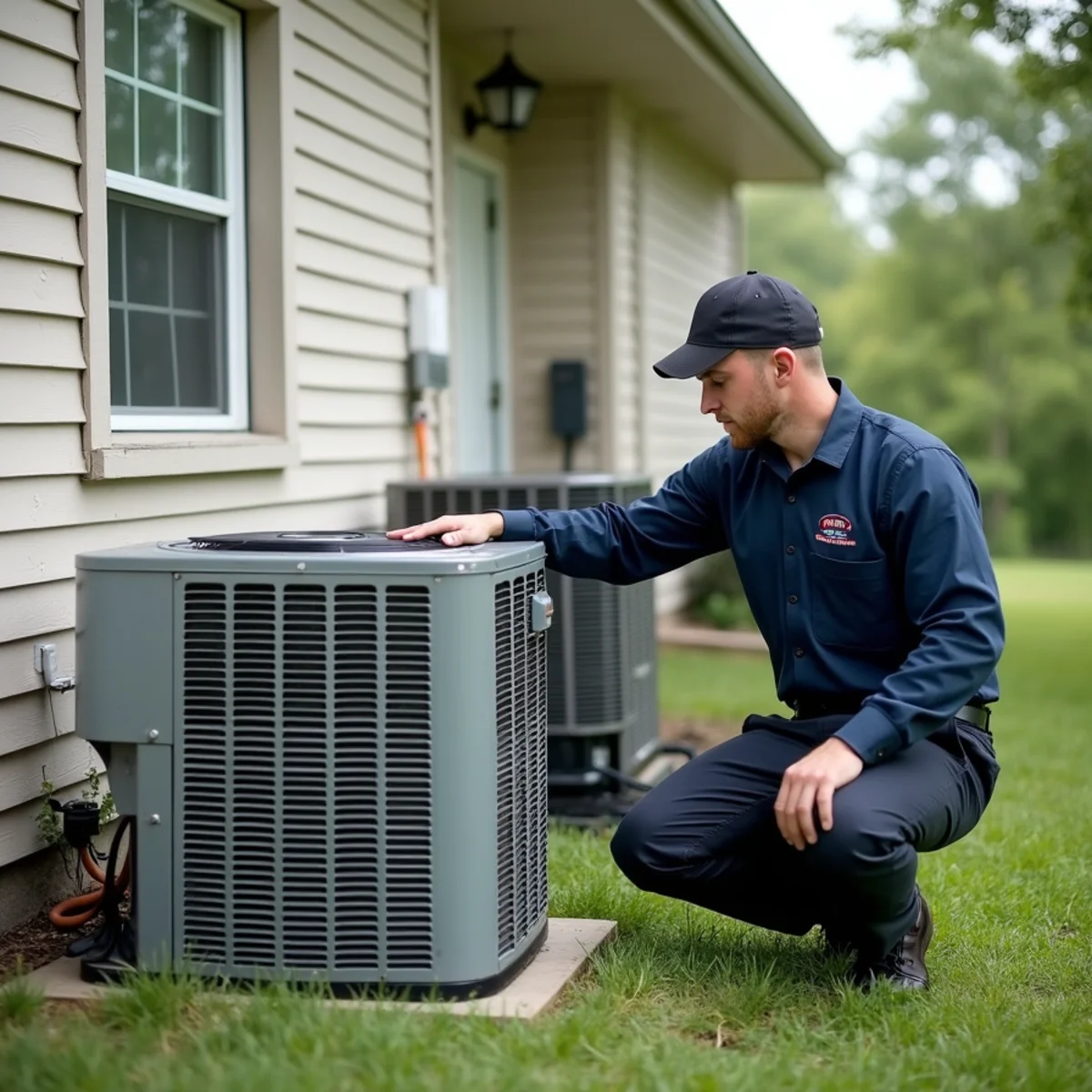
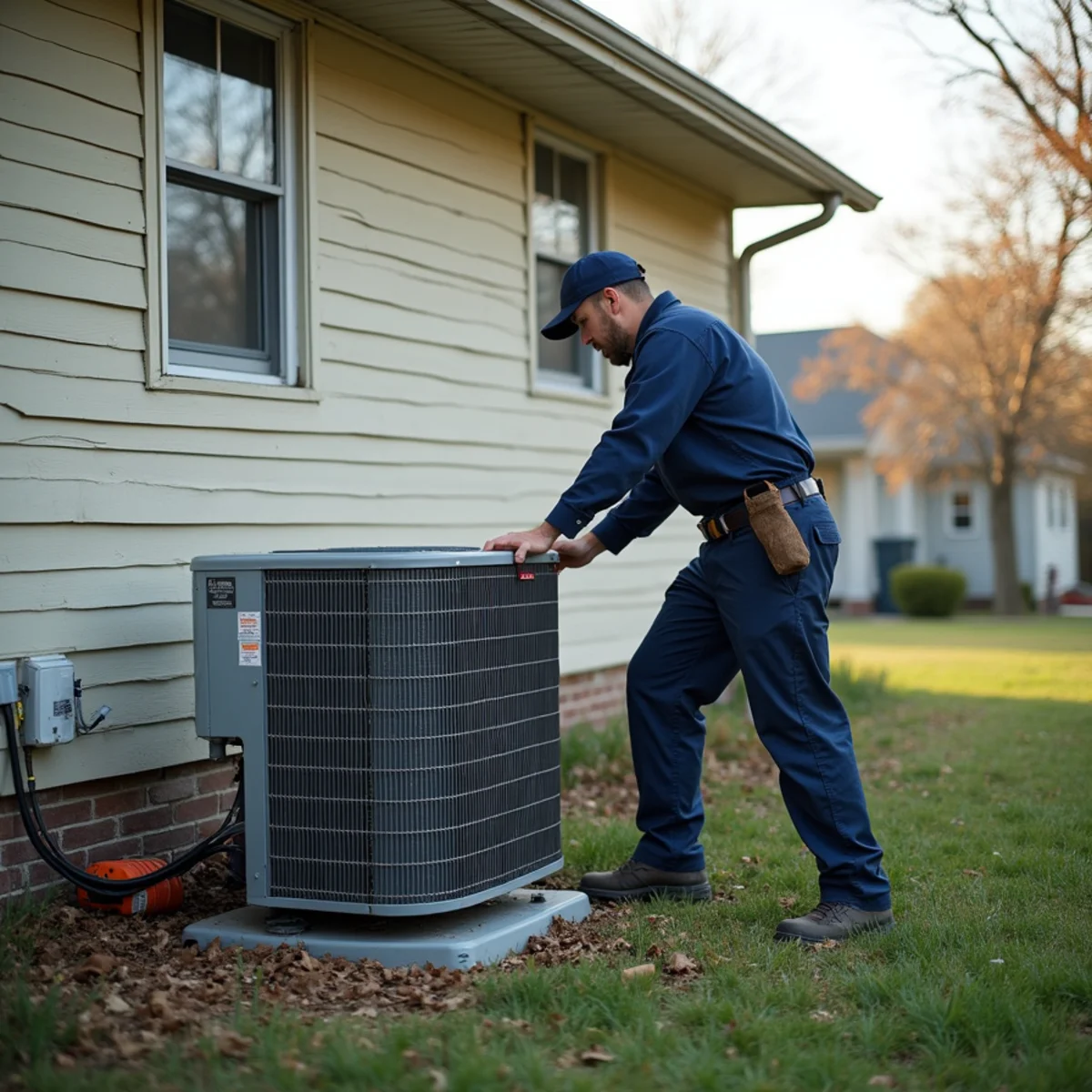
Because a cabin sits idle and problems go unnoticed, seasonal maintenance is even more valuable than for a full-time home. A tune-up before each season catches a weak capacitor, low refrigerant, or a clogged drain before it becomes a failure you discover on arrival. Opening the cabin for the season with a system you know is healthy beats gambling that it survived the off-season on its own.
The worst cabin surprises — mold from trapped humidity, a flooded floor from frozen pipes — are almost always preventable with the right thermostat settings and a seasonal tune-up.
Opening and Closing the Cabin for the Season
Two transition points deserve a little ritual. When you close the cabin down for a stretch, change the filter so the system isn't circulating through a clogged one for weeks, set the thermostat to its away setting for the season, confirm the condensate drain is clear so it can't back up while you're gone, and if you're fully winterizing, have the plumbing drained rather than trusting a heater to run untended for months. When you open it back up, don't just crank the system and leave. Run it through a full cycle while you're there to confirm it heats or cools properly, check that no critters nested in the outdoor unit over the off-season, replace the filter again, and give the place time to pull down humidity before you judge the comfort. A cabin that's been sitting deserves a few minutes of attention before you trust it, and catching a problem while you're on-site beats discovering it on your next drive out.
Keep Your Getaway Ready
A lake cabin should be a place you look forward to, not a source of off-season worry. Hooten Heating & Cooling provides seasonal maintenance and setup for part-time homes near Shell Knob, Noel, and the Elk River area, so your system is ready whenever you are. Call (831) 461-3437 to set up a maintenance plan that protects your getaway between visits.
Related Services
Areas We Serve
Frequently Asked Questions
- No — turning it off completely lets humidity build, which risks mold and musty odors, especially near the water. Instead, set the thermostat higher, around the low 80s, so the system still runs periodically to remove moisture. A dehumidifier helps in especially damp cabins.