Heat Pump vs. Propane Furnace: A Rural Missouri Cost Guide
A straight comparison of heat pumps and propane furnaces for rural Missouri homes — operating costs, comfort, and when a dual-fuel system wins.
By Hooten Heating & Cooling · February 25, 2025 · 9 min read
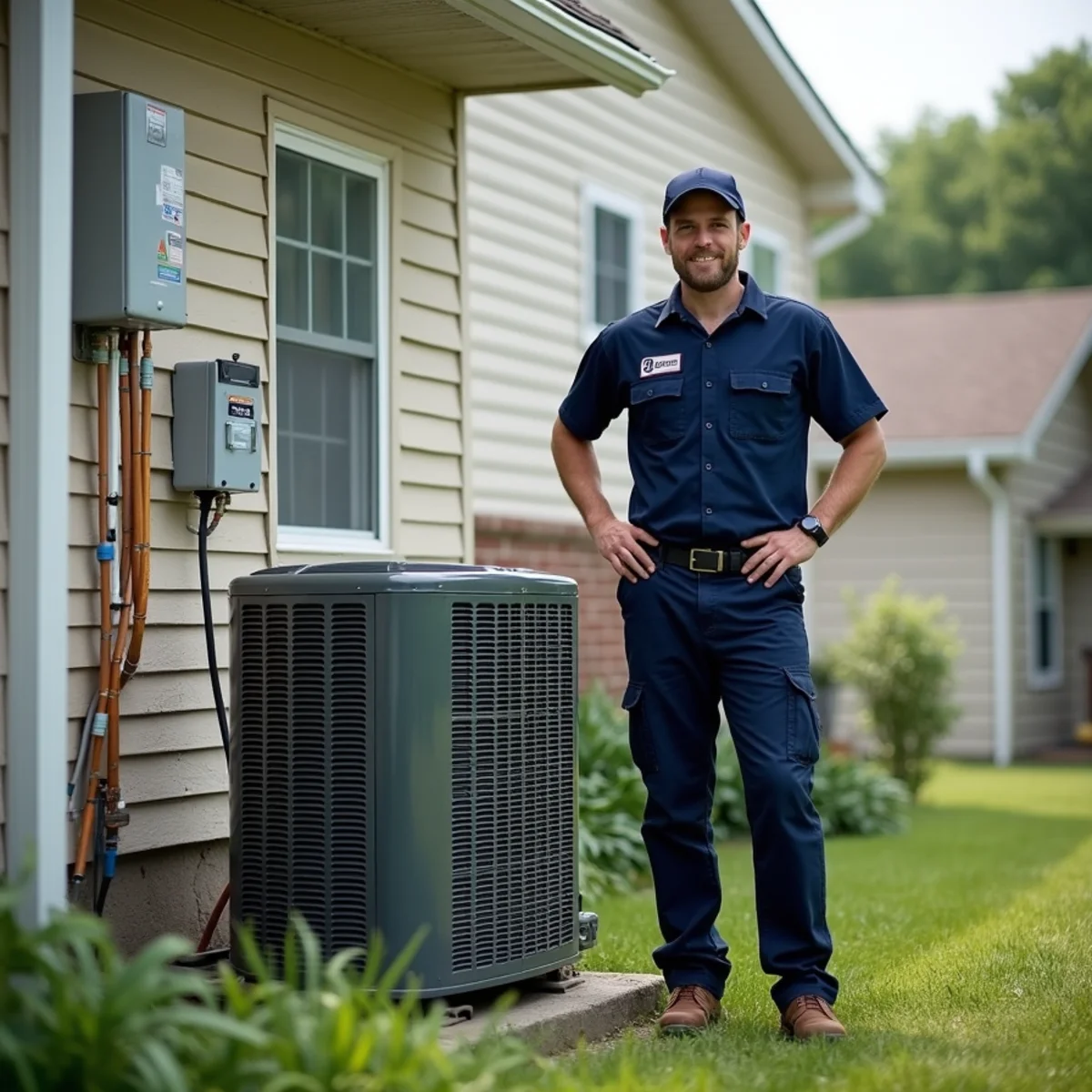
Out here in McDonald County, plenty of homes sit beyond the natural gas lines, which leaves rural homeowners weighing two main options for heat: a propane furnace or an electric heat pump. It's one of the most common questions we get, and the honest answer is that it depends on your propane price, your electric rate, and how cold your winters run. This guide lays out how each system works, what really drives the operating cost, and why a dual-fuel setup is often the best of both worlds.
How Each System Heats Your Home
A propane furnace burns fuel to create heat — straightforward, powerful, and delivers hot air even on the coldest nights. A heat pump doesn't create heat by burning anything; it moves heat from the outdoor air into your home using refrigerant, the same process an air conditioner uses in reverse. Because it moves heat rather than generating it, a heat pump can deliver two to three units of heat for every unit of electricity it uses, which is remarkably efficient. It also cools in summer, so one system does both jobs.
The Operating-Cost Reality
This is where the decision gets specific to your situation. A heat pump's efficiency is highest in mild and moderate cold. As the outdoor temperature drops toward the teens and below, a standard heat pump pulls less heat from the air and works harder, and its backup electric-resistance heat — which is expensive to run — kicks in to keep up. Propane, by contrast, delivers the same heat regardless of how cold it gets, but you're at the mercy of propane prices, which swing with the market.
- In a mild-to-moderate winter, a heat pump usually wins on operating cost thanks to its efficiency.
- During deep cold snaps, a propane furnace can be cheaper to run than a heat pump leaning on electric backup heat.
- When propane prices spike, the heat pump's advantage in mild weather grows.
- Cold-climate heat pumps have improved and hold efficiency to lower temperatures than older models, narrowing the gap.
The Dual-Fuel Solution
For many rural Missouri homes, the smartest setup isn't one or the other — it's both. A dual-fuel system pairs an efficient heat pump with a propane furnace. The heat pump handles the bulk of the season, when it's most efficient, and when the temperature drops below a set balance point, the system automatically switches to the propane furnace. You get the heat pump's low operating cost in mild weather, the furnace's reliable output in deep cold, and central air conditioning all in one system.
Setting the Balance Point
The balance point is the outdoor temperature at which we tell the system to hand off from the heat pump to the furnace. We set it based on your equipment's performance and the crossover temperature where propane becomes the cheaper source. Done right, dual-fuel means you're always heating with whichever fuel is more economical at that moment — automatically.
Comfort and Other Considerations
There's more to the decision than the monthly bill.
- Air temperature at the vents: propane furnaces produce hotter air; heat pumps deliver warm but cooler-feeling air over longer, steadier cycles. Some homeowners prefer one feel over the other.
- Cooling included: a heat pump provides air conditioning, so it replaces two systems with one. A furnace still needs a separate AC.
- Up-front cost: a heat pump or dual-fuel system typically costs more to install than a furnace-and-AC pairing, but can lower operating costs.
- Fuel logistics: propane means tank deliveries and price exposure; a heat pump ties your heat to your electric service.
- Humidity: over its longer cycles, a properly sized heat pump manages indoor humidity well, keeping it in the comfortable 30 to 50 percent range.
The best system is the one sized and configured for your home, your fuel prices, and your winters — not the one a salesman pushes because it's what's on the truck.
Don't Forget the Up-Front and Maintenance Picture
Operating cost is only part of the decision. A heat pump replaces both your heating and cooling equipment with one system, so if you were facing a new furnace and a new AC anyway, its higher price tag looks different in that light. A propane furnace, by contrast, still needs a separate air conditioner. On the maintenance side, both benefit from an annual tune-up, but a heat pump works year-round and depends on a healthy defrost cycle and correct refrigerant charge to stay efficient through winter, while a propane furnace needs combustion and heat-exchanger safety checks and leaves you managing tank deliveries and price swings. There's also fuel security to weigh: a heat pump ties your heat to the electric grid, while propane gives you an on-site fuel supply that keeps working in an outage if you have a way to run the blower. None of these tips the scale on its own, but together they round out a decision that shouldn't rest on operating cost alone.
Let's Run Your Numbers
Choosing between a heat pump, a propane furnace, and a dual-fuel system is worth doing with real math, not guesswork. Hooten Heating & Cooling will assess your home, factor in your propane and electric costs, and lay out the options in plain terms for homeowners across Goodman, Anderson, and McDonald County. Call (831) 461-3437 and we'll help you pick the system that keeps you warm without overpaying month after month.
Related Services
Areas We Serve
Frequently Asked Questions
- Usually in mild-to-moderate weather, yes, because a heat pump moves heat rather than burning fuel and is highly efficient. During deep cold snaps, a propane furnace can be cheaper than a heat pump relying on electric backup heat. It depends on your propane price and electric rate.